Your independent source for
HOA education, resources, and real solutions.
An HOAHelp4U Educational Resource
HOW CAN BETTER GOVERNANCE BE PUT IN PLACE?
A better governance model is only useful if it can actually be implemented. How can an HOA move from a traditional board-centered structure toward a more homeowner-centered governance system?
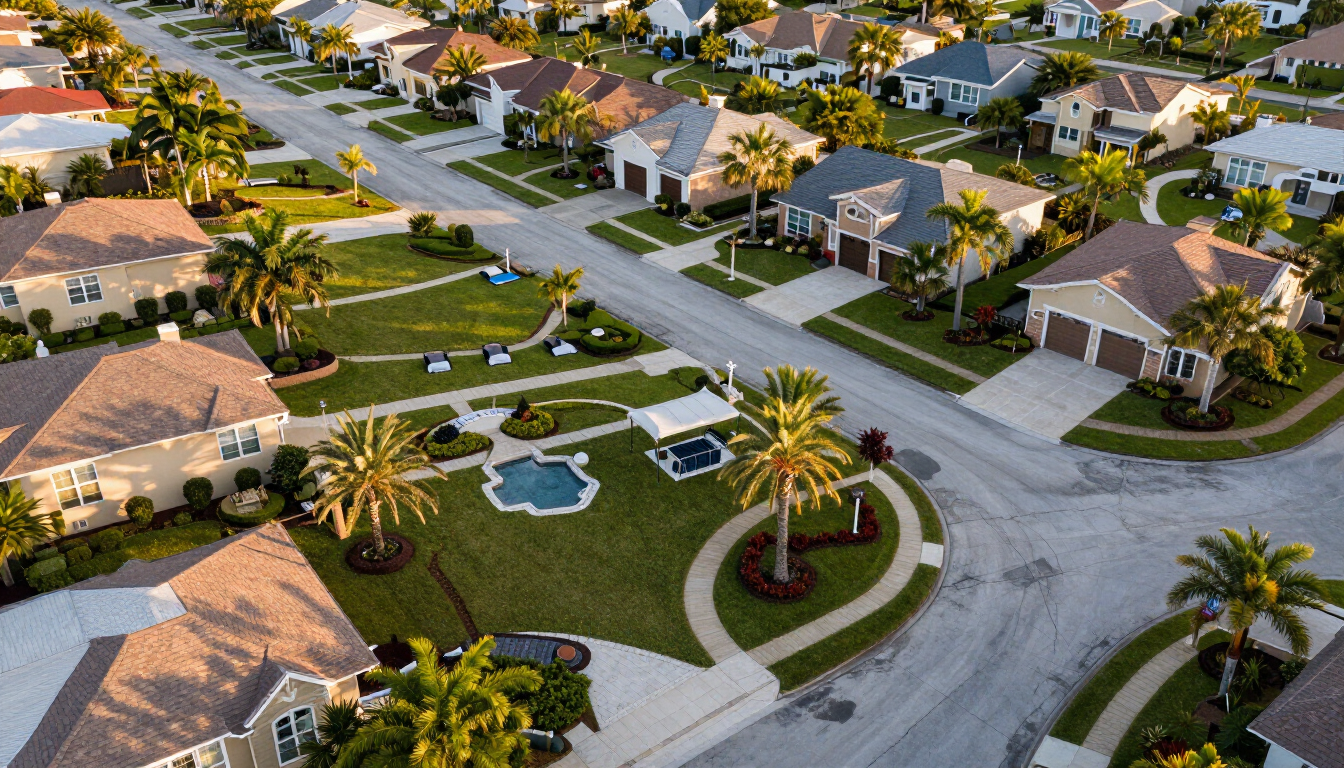
Start with the central reality
MEANINGFUL GOVERNANCE CHANGE DOES NOT HAPPEN ALL AT ONCE
A better governance model cannot simply be switched on. Meaningful change requires an organized transition — one that builds homeowner participation while gradually creating the structure homeowners need to have a continuing voice in their community.
The goal is not a single dramatic event. It is a steady process that develops participation, communication, and structure over time, so that homeowner-centered governance becomes the way the community actually operates.
BETTER GOVERNANCE IS BUILT
THROUGH AN ORGANIZED, GRADUAL TRANSITION.
THE PRACTICAL PROGRESSION
Building homeowner-centered governance follows a practical progression. Each step prepares the community for the next one.
Start by organizing the community geographically, develop participation within those areas, and then build the structures that carry homeowner input all the way to the board.
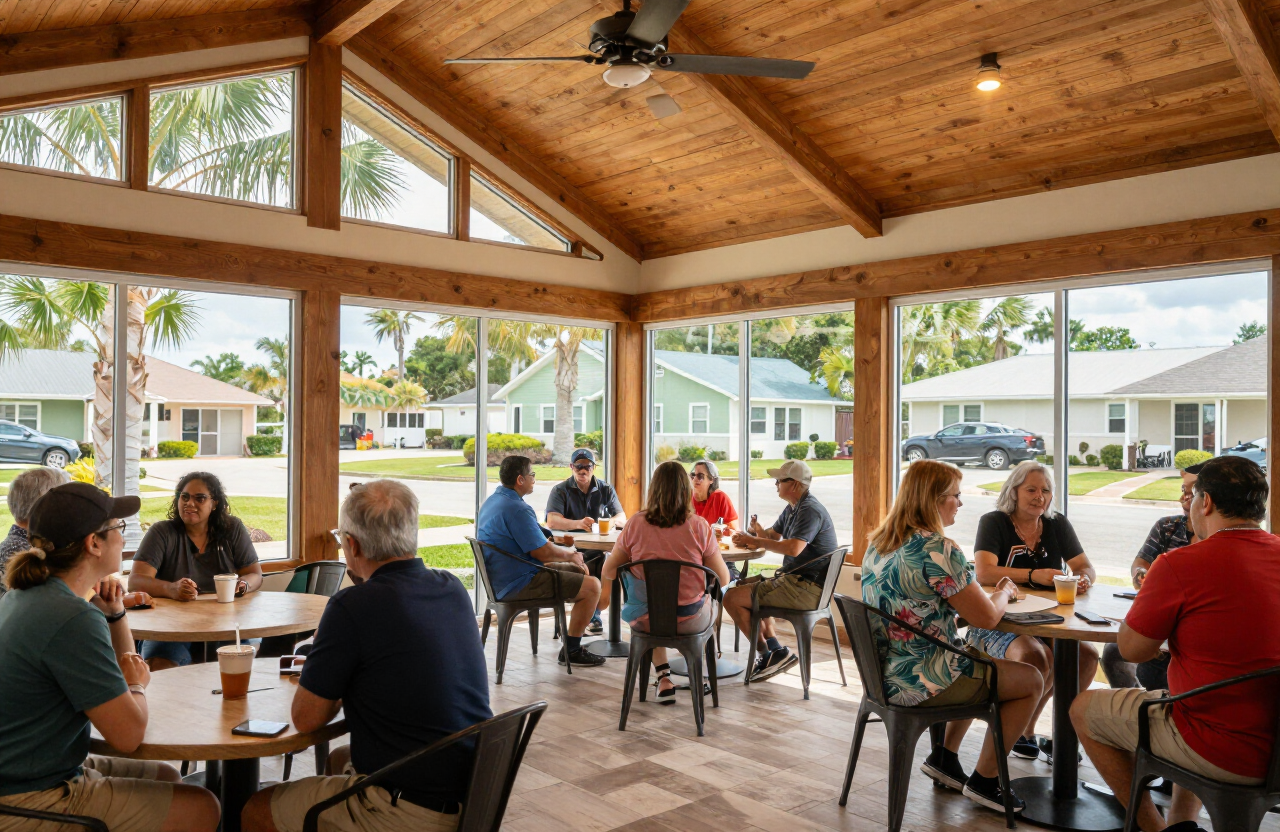
DIVIDE THE COMMUNITY INTO ZONES
Break the community into manageable geographic zones so homeowners can connect with neighbors close to them.
DEVELOP PARTICIPATION WITHIN ZONES
Encourage homeowners in each zone to talk, share concerns, and begin participating in the life of their community.
IDENTIFY ZONE REPRESENTATIVES
Recognize homeowners in each zone who are willing to listen to neighbors and carry their input forward.
ESTABLISH REGULAR COMMUNICATION
Create dependable channels so homeowners know what is happening and have a way to be heard.
USE SURVEYS TO LEARN WHAT HOMEOWNERS WANT
Ask homeowners directly what matters to them instead of assuming the board already knows.
CREATE MEANINGFUL COMMITTEES
Form committees with real responsibilities so homeowners can contribute to the work of the community.
CARRY CONCERNS TO THE BOARD
Build a reliable system that moves homeowner concerns and priorities from the zones to the board.
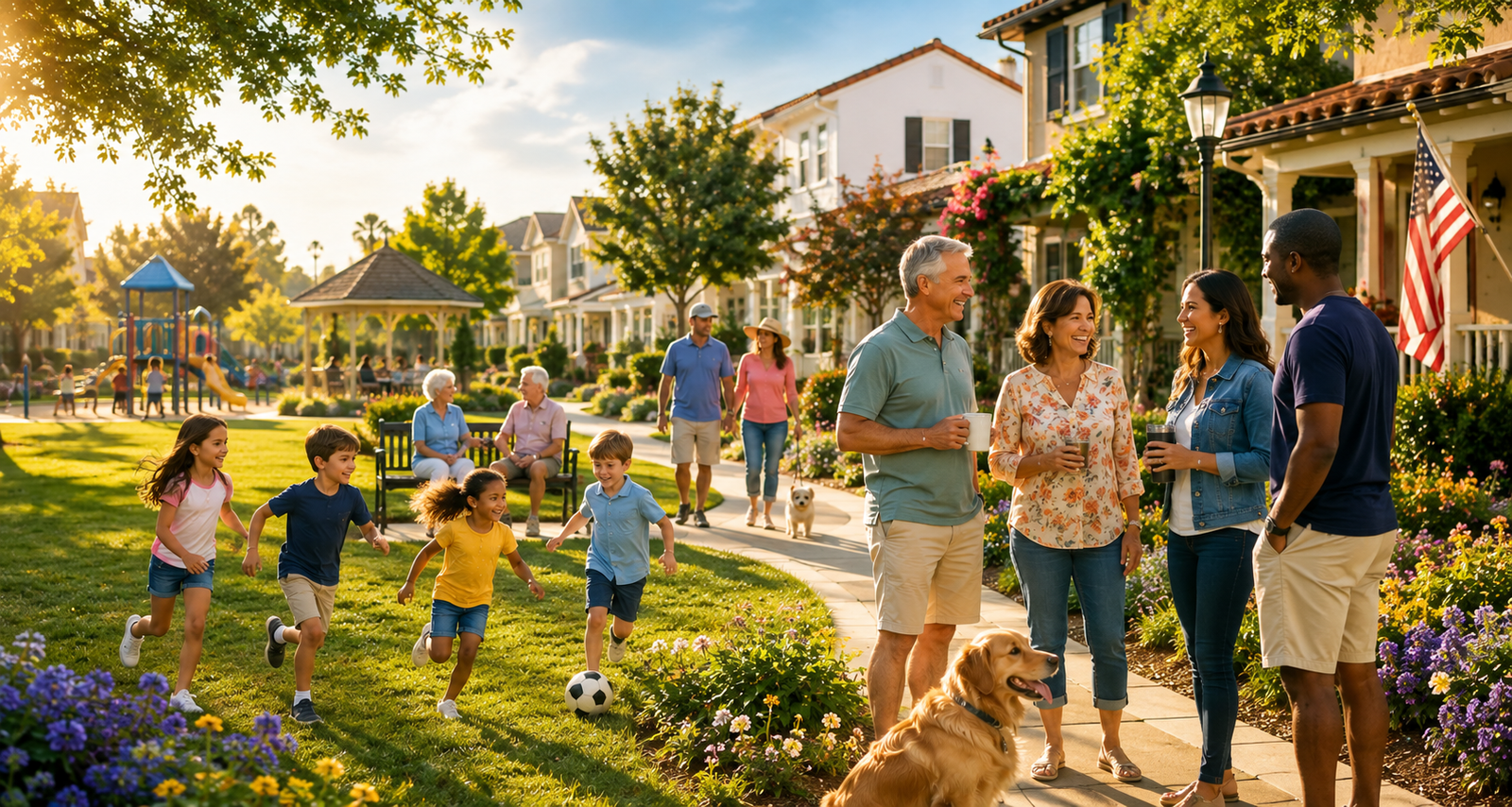
THE OBJECTIVE IS A RELIABLE SYSTEM
THAT CARRIES HOMEOWNER CONCERNS TO THE BOARD.
THE BOARD AND MANAGEMENT STRUCTURE EVOLVE TOO
Implementation is not only about homeowners. The board and management structure also need to evolve to support a more homeowner-centered HOA.
A more homeowner-centered HOA can include regular community and zone meetings, active committees, better communication through a website or newsletter, recurring homeowner surveys, clearly defined responsibilities, and management that supports rather than substitutes for homeowner governance.
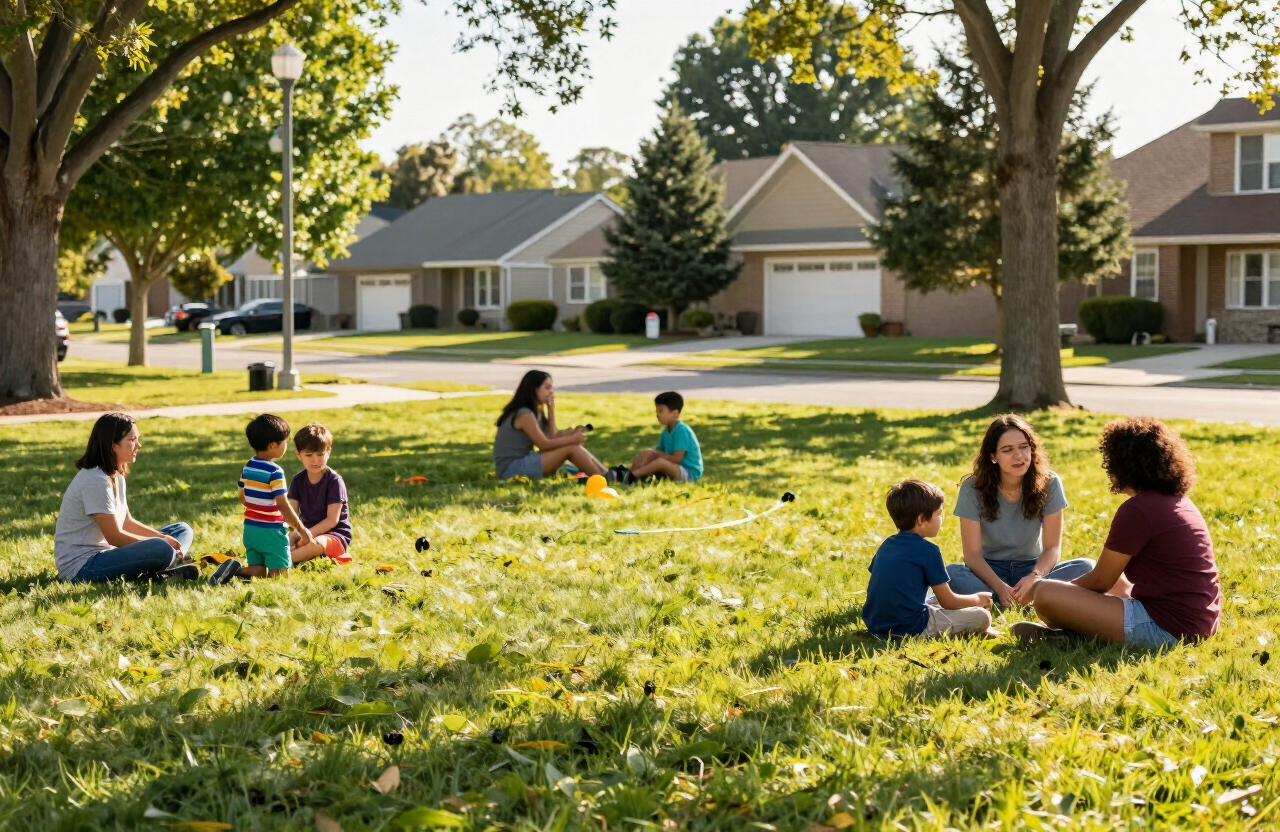
REGULAR COMMUNITY & ZONE MEETINGS
Recurring meetings give homeowners a dependable place to listen, learn, and be heard.
ACTIVE COMMITTEES
Committees with real work distribute responsibility and involve more homeowners in governance.
BETTER COMMUNICATION
A community website or newsletter keeps homeowners informed between meetings.
RECURRING HOMEOWNER SURVEYS
Regular surveys keep the board connected to what homeowners actually want.
CLEARLY DEFINED RESPONSIBILITIES
Everyone understands who does what, so the community runs on structure instead of personalities.
MANAGEMENT THAT SUPPORTS GOVERNANCE
Professional management supports homeowner governance instead of substituting for it.
NOT SIMPLY REPLACING ONE BOARD WITH ANOTHER
The objective is not simply to replace one board with another. Swapping directors without changing the structure usually produces the same governance under different names.
The objective is to build a governance structure that continues functioning regardless of who happens to be serving on the board — a system that gives homeowners a continuing voice in how their community is run.
BETTER GOVERNANCE ISN’T JUST ABOUT WHO RUNS THE HOA.
IT’S ABOUT BUILDING A SYSTEM THAT GIVES HOMEOWNERS
A CONTINUING VOICE IN HOW THEIR COMMUNITY IS RUN.
AND THAT CREATES THE NEXT QUESTION:
WHY DOES HOMEOWNER PARTICIPATION MATTER?