Your independent source for
HOA education, resources, and real solutions.
An HOAHelp4U Educational Resource
WHAT’S REALLY WRONG WITH HOAs?
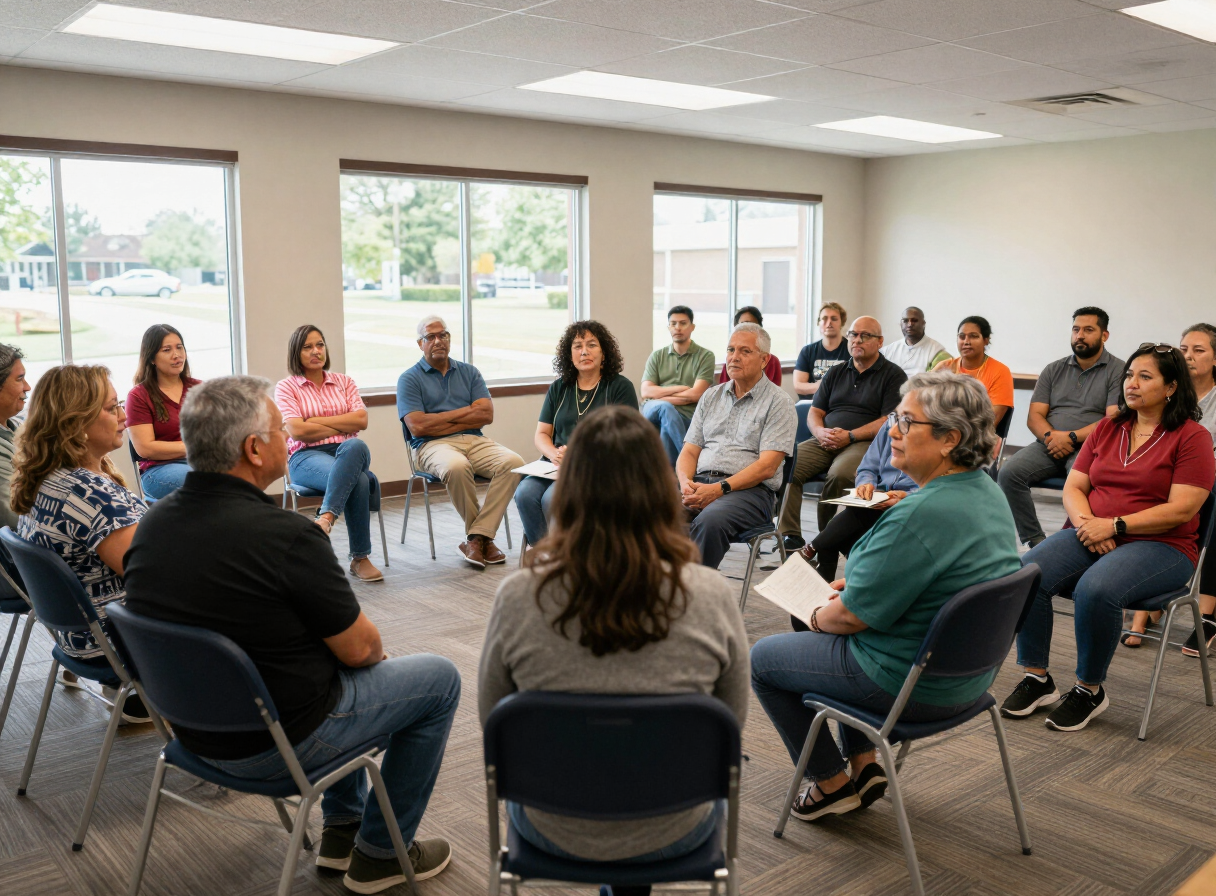
Homeowners have complained about many of the same HOA problems for decades: poor communication, inconsistent enforcement, questionable financial decisions, inadequate maintenance, election disputes, lack of transparency, homeowner apathy, and boards that sometimes become disconnected from the people they represent.
It is tempting to blame these problems on bad board members, bad managers, uninvolved homeowners, or individual personalities.
A larger question
SOMETIMES INDIVIDUALS CERTAINLY CONTRIBUTE.
Sometimes individuals certainly contribute to the problem.
But when the same types of problems repeatedly appear in thousands of different communities, a larger question needs to be asked:
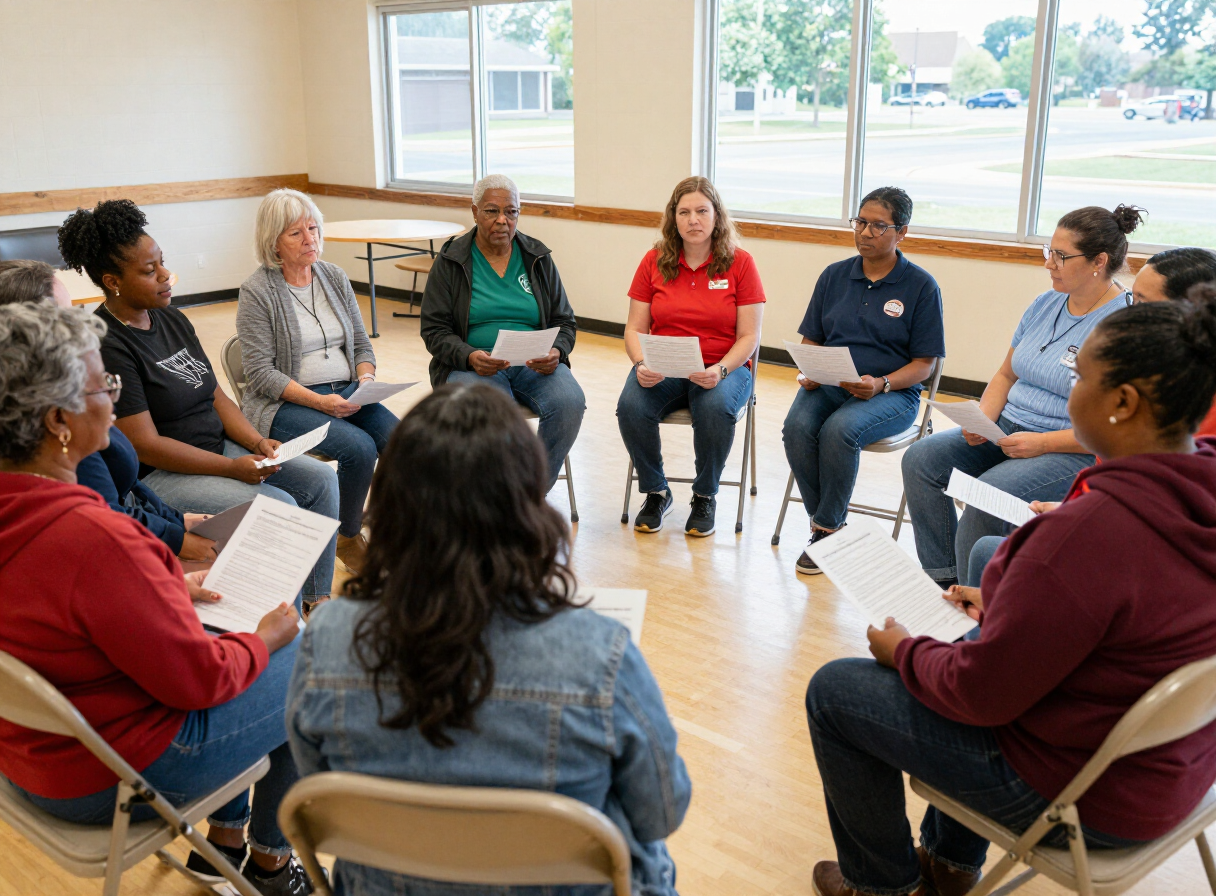
WHAT IF THE REAL PROBLEM
IS THE SYSTEM ITSELF?
Symptoms vs. structure
THE PROBLEMS MAY BE SYMPTOMS.
When an HOA experiences conflict, the usual response is to address the immediate problem.
Homeowners may demand better communication. They may challenge an enforcement decision, question a contract, request financial records, complain about maintenance, run for the board, or seek legal assistance.
Those actions may be appropriate and sometimes necessary. But they generally address a symptom rather than the structure that allowed the problem to develop.
A new director may improve things temporarily. A disputed contract may be replaced. A maintenance problem may finally be corrected. A new policy may increase transparency. Yet if the underlying governance structure remains unchanged, similar problems can return.
The immediate complaints homeowners react to — a bad decision, a broken process, a single conflict. Addressing them can help temporarily, but the conditions that produced them often remain.
The governance framework itself — how authority, participation, communication, and accountability are organized. When the structure is weak, the same symptoms tend to return.
Volunteer directors
EXTRAORDINARY RESPONSIBILITY — LIMITED PREPARATION
Most HOA directors are volunteer homeowners.
Once elected, they may become responsible for budgets, reserve funds, contracts, vendors, insurance, maintenance, enforcement, elections, governing documents, legal compliance, and decisions affecting hundreds of neighbors.
These are substantial responsibilities. Yet HOA directors may begin serving without formal qualifications, professional management experience, extensive training, or an established operational framework comparable to those used by other organizations managing significant money and assets.
This does not mean volunteer directors are incapable of governing an HOA. It means the system places enormous responsibility on ordinary homeowners and then expects them to learn while governing.

Distance between board and homeowners
AUTHORITY BECOMES CONCENTRATED.
The traditional HOA structure places much of the association’s governing authority in a small board of directors. That can make administration relatively simple, but it can also create distance between the governing body and the homeowners.
When homeowner participation is low, that distance can grow. A small number of people may attend meetings. Few homeowners may volunteer for committees. Elections may attract limited participation. Communication can become primarily one-directional: the association informs homeowners of decisions after they have been made.
Over time, the board can become the center of virtually every important HOA decision. Even when directors are acting in good faith, the structure itself can gradually become board-centric rather than homeowner-centered.
A predictable cycle
HOMEOWNERS OFTEN BECOME SPECTATORS.
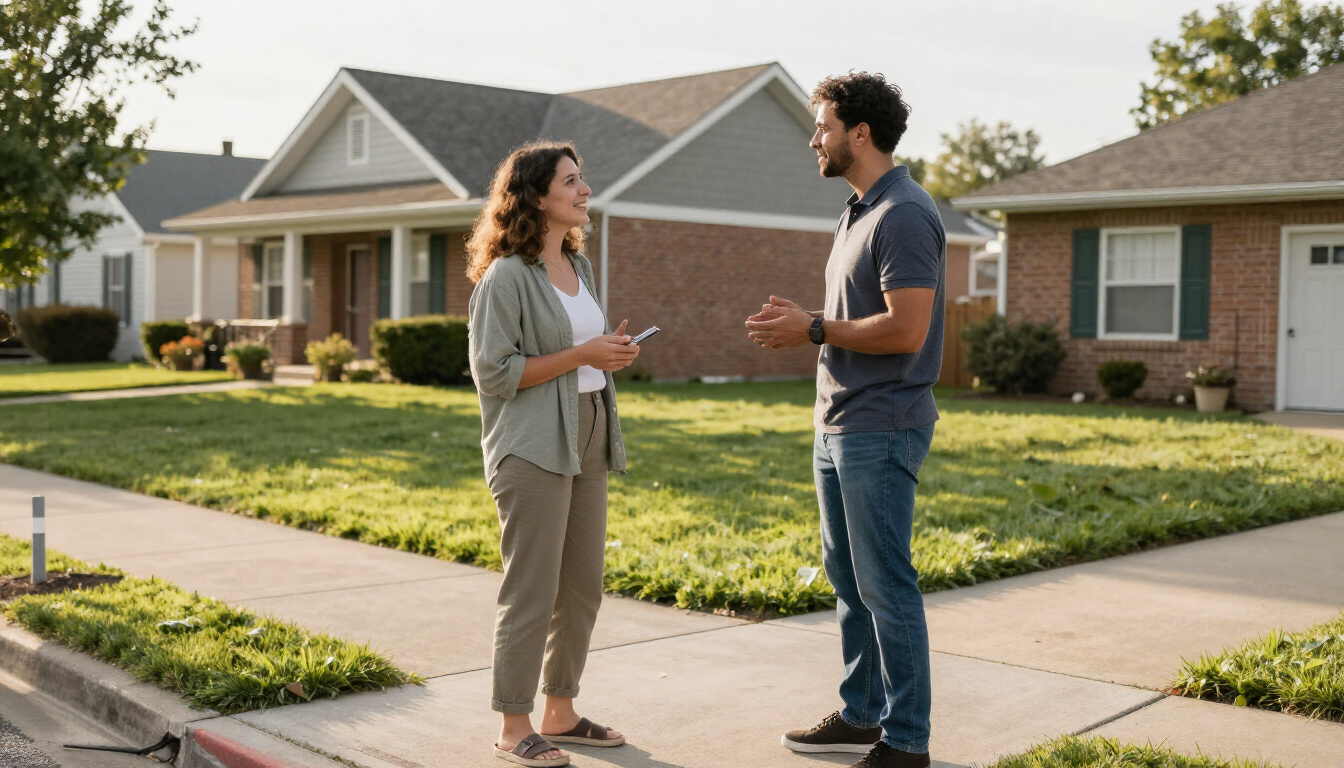
Most homeowners have jobs, families, personal responsibilities, and little desire to spend their free time studying HOA governance. They may become involved only when something directly affects them.
That creates a predictable cycle.
- 1Low participation concentrates responsibility in the board.
- 2Concentrated responsibility makes homeowners feel less connected to decision-making.
- 3Feeling disconnected gives homeowners even less reason to participate.
Eventually, a small number of people may be governing an organization funded and owned collectively by hundreds of homeowners.
Working within the structure
PROFESSIONAL HELP DOES NOT REDESIGN THE SYSTEM.
Management companies, attorneys, accountants, reserve specialists, contractors, and other professionals provide important services to HOAs. Their expertise can be essential.
But these professionals generally work within the existing HOA structure. Their job is typically to help the association administer its responsibilities, comply with applicable requirements, manage operations, or address specific professional issues.
They are not ordinarily retained to ask whether the governance structure itself should be redesigned.
As a result, an HOA can have professional management, legal counsel, accountants, contractors, and other advisers while the underlying governance problems remain unchanged.
Necessary — but not enough
LAWS ESTABLISH RULES — NOT COMMUNITY.
HOA laws and governing documents are important. They establish authority, procedures, rights, responsibilities, elections, records requirements, enforcement processes, and other boundaries within which associations operate.
But laws cannot create a healthy community by themselves. They do not guarantee effective communication. They do not guarantee meaningful homeowner participation. They do not guarantee good financial judgment, thoughtful long-term planning, responsive leadership, effective committees, or strong relationships between homeowners and their association.
An HOA can comply with the law and still be poorly governed.
LEGAL COMPLIANCE IS NECESSARY.
GOOD GOVERNANCE REQUIRES MORE.
A system, not a collection of complaints
WHY DO THE SAME PROBLEMS KEEP COMING BACK?
The answer becomes clearer when HOA problems are viewed as a system rather than a collection of individual complaints. The traditional structure can combine:
Under those conditions, recurring problems should not be surprising. They are often predictable consequences of the way the organization is structured.
A different question
STOP ASKING ONLY “WHO IS THE PROBLEM?”
When an HOA is struggling, homeowners naturally ask:
- Who made this decision?
- Who failed to act?
- Who should be replaced?
Those questions can matter. But there is another question that may be even more important:
WHAT IS IT ABOUT THE STRUCTURE
THAT ALLOWED THIS TO HAPPEN?
Changing people without changing the system may simply restart the same cycle with different people.

THE PROBLEM ISN’T ALWAYS THE PEOPLE.
SOMETIMES IT’S THE SYSTEM THEY’RE OPERATING IN.
Recognizing the structural problem changes the conversation.
Instead of spending all our energy reacting to individual HOA problems, we can begin asking how governance itself might be improved.
That leads to the next question:
If HOAs manage substantial money, property, contracts, vendors, and long-term obligations, why aren’t they run more like well-managed organizations?
The next question
IF THE PROBLEM IS THE SYSTEM,
WHY HAVE THE OLD SOLUTIONS FAILED?
Homeowners have pursued legislation, litigation, meetings, records requests, elections, and education for decades. Explore why those familiar remedies have not consistently transformed board-centric associations — and read one homeowner’s 24-year story.
NEXT: WHY THE OLD SOLUTIONS FAILED