Your independent source for
HOA education, resources, and real solutions.
An HOAHelp4U Educational Resource
WHY DOES HOMEOWNER PARTICIPATION MATTER?
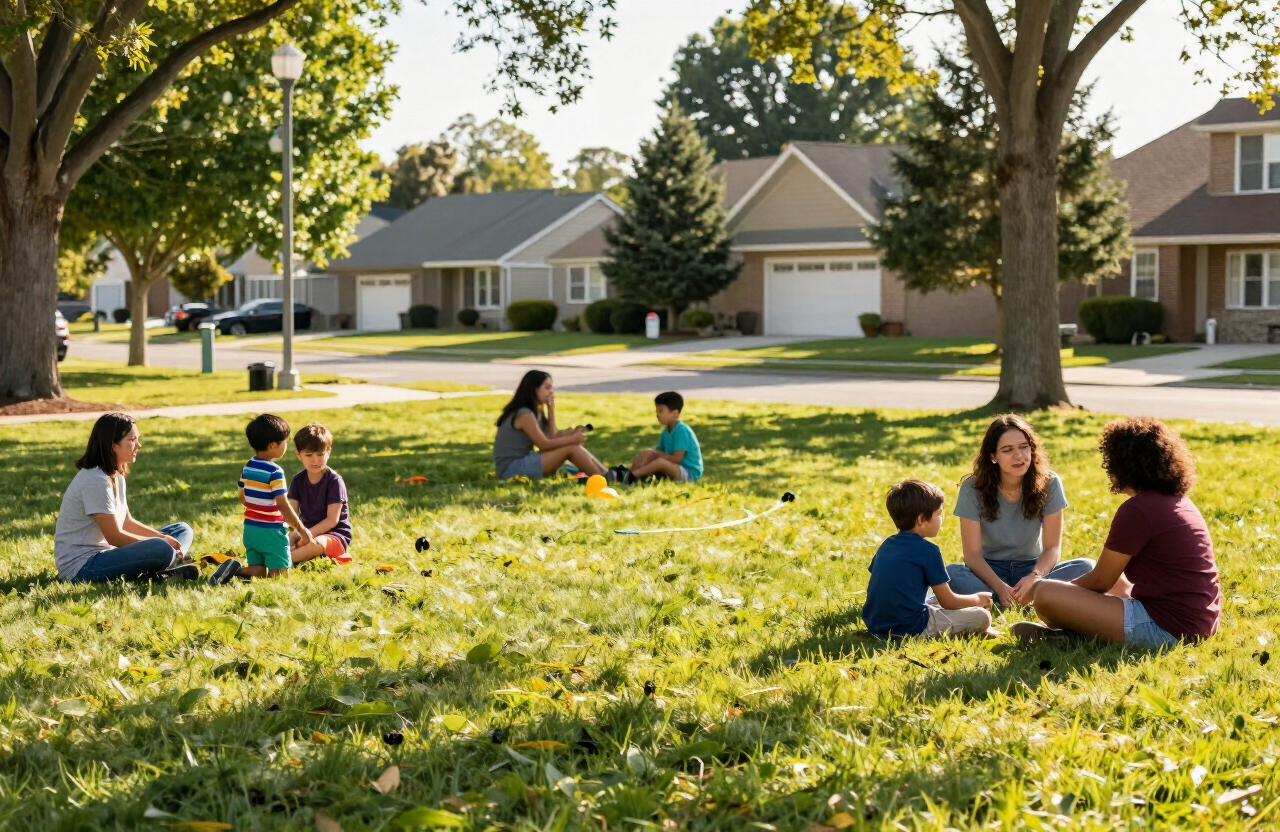
An HOA cannot become truly homeowner-centered if homeowners remain spectators. The board may have formal authority, but the community belongs to all of its homeowners.
Start with the central reality
A HEALTHY HOA REQUIRES MORE THAN ELECTING DIRECTORS AND PAYING ASSESSMENTS
The board may have formal authority, but the community belongs to all of its homeowners. A healthy HOA therefore requires more than electing directors and paying assessments.
An HOA cannot become truly homeowner-centered if homeowners remain spectators. The people who live in the community are not an audience for the board — they are the community itself.
AN HOA CANNOT BECOME TRULY HOMEOWNER-CENTERED
IF HOMEOWNERS REMAIN SPECTATORS.
PARTICIPATION DOES NOT MEAN EVERY HOMEOWNER MUST DO EVERYTHING
Participation does not mean every homeowner must run for the board, attend every meeting, study HOA law, or devote hours every month to the association.
Different homeowners can participate in different ways and at different levels. What matters is that enough homeowners stay connected enough that the community’s direction reflects more than the few people who happen to be most involved.
PRACTICAL WAYS HOMEOWNERS CAN PARTICIPATE
There is no single way to participate. Homeowners can contribute in many different ways, and even small acts of participation add up across a community.
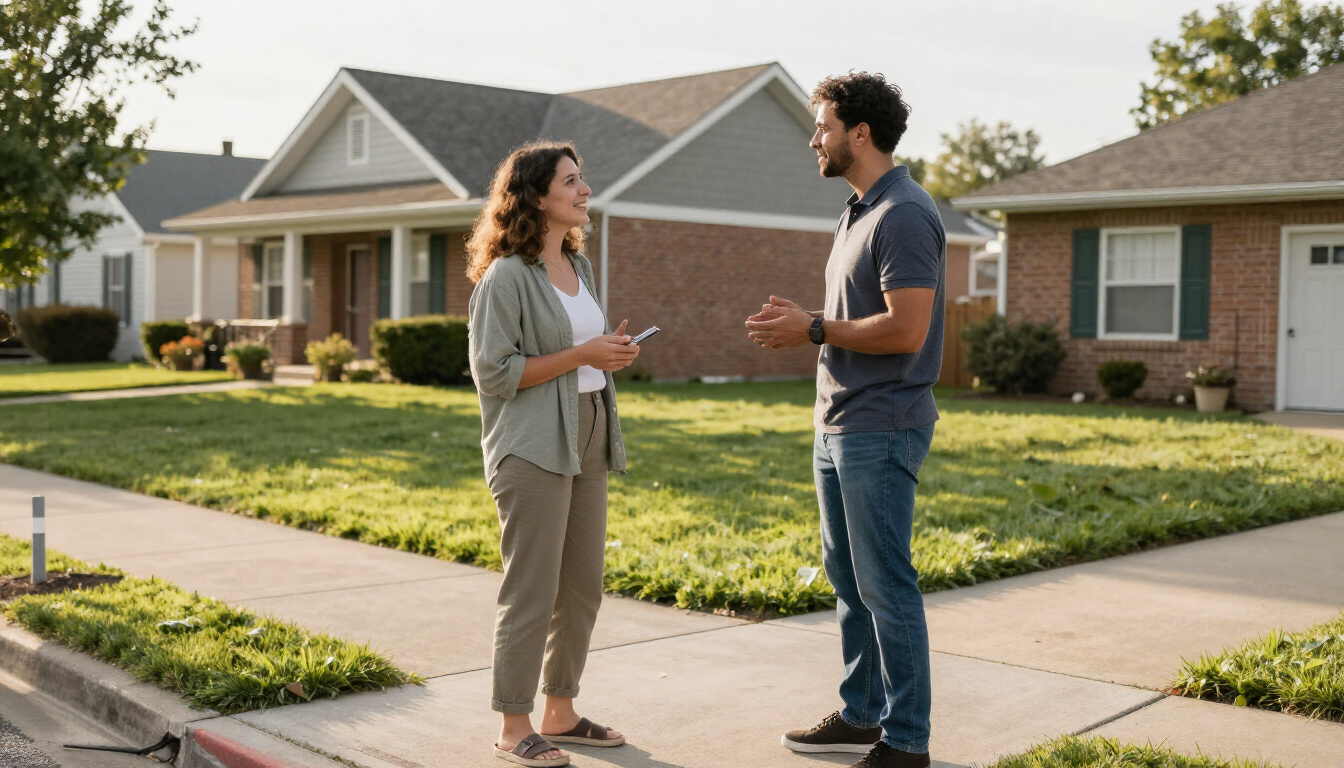
Homeowners can respond to surveys, read important communications, provide their opinions, attend an occasional meeting, volunteer for a committee or project, help communicate with neighbors, suggest improvements, participate in elections, or simply respond when the community asks for input.
RESPOND TO SURVEYS
A few minutes answering a survey gives the board a far clearer picture of what the community actually wants.
READ IMPORTANT COMMUNICATIONS
Staying informed about notices, budgets, and decisions keeps you connected without requiring meetings or expertise.
PROVIDE YOUR OPINIONS
Sharing your perspective — by email, form, or comment — is one of the simplest ways to shape your community.
ATTEND AN OCCASIONAL MEETING
You do not have to attend every meeting. Showing up now and then still keeps you informed and engaged.
VOLUNTEER FOR A COMMITTEE OR PROJECT
Committees and projects let homeowners contribute real work on the issues they care about most.
HELP COMMUNICATE WITH NEIGHBORS
Passing along information and inviting neighbors to participate strengthens the whole community.
SUGGEST IMPROVEMENTS
Practical ideas from homeowners often identify problems and opportunities the board would otherwise miss.
PARTICIPATE IN ELECTIONS
Voting and encouraging neighbors to vote keeps the board accountable to the community it serves.
COMMUNICATION IS ONE OF THE EASIEST AND MOST IMPORTANT FORMS OF PARTICIPATION
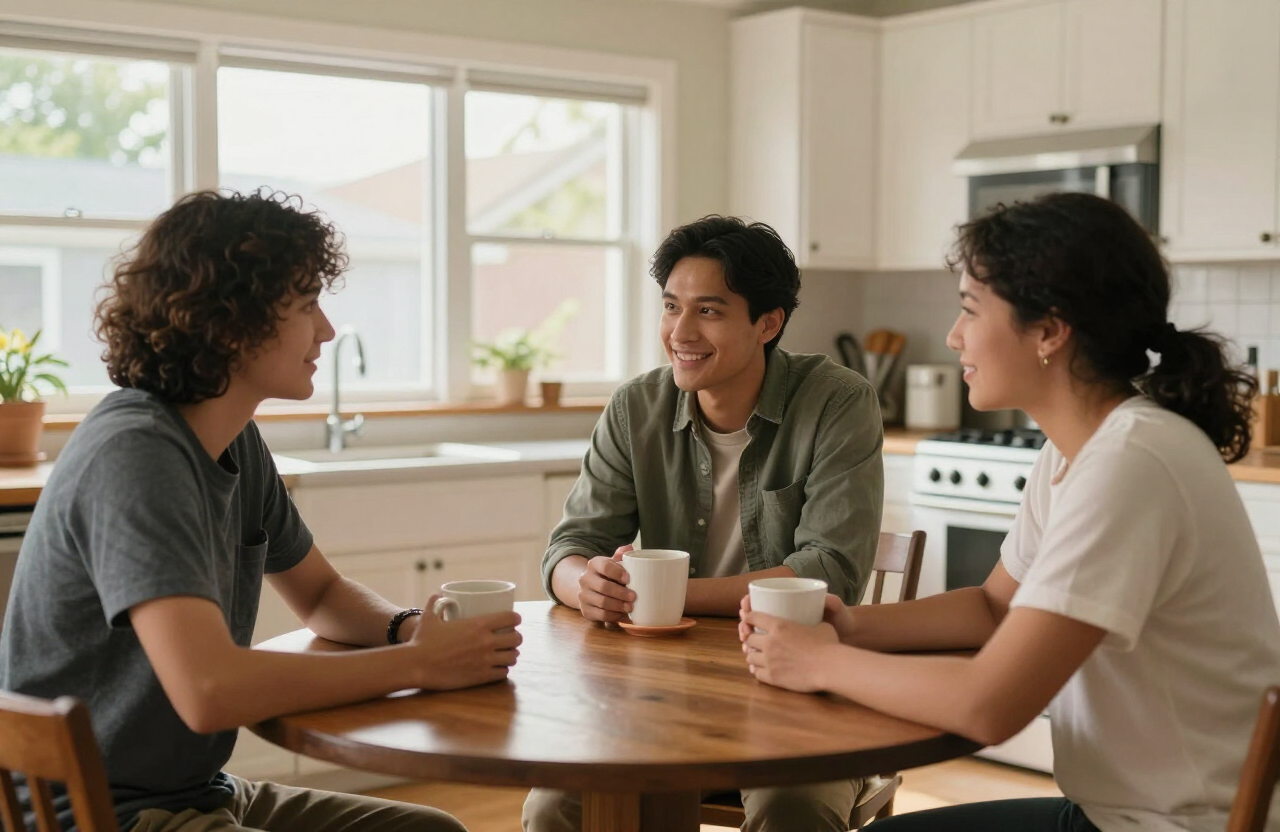
Communication is one of the easiest and most important forms of participation. Modern HOA governance should make it easy for homeowners to receive information and provide feedback without requiring them to attend meetings or become HOA experts.
A survey, an email reply, or a quick online comment can be enough to keep a homeowner connected to the life of the community — and to give the board a clearer picture of what neighbors actually want.
PARTICIPATION CHANGES THE RELATIONSHIP BETWEEN THE BOARD AND THE COMMUNITY
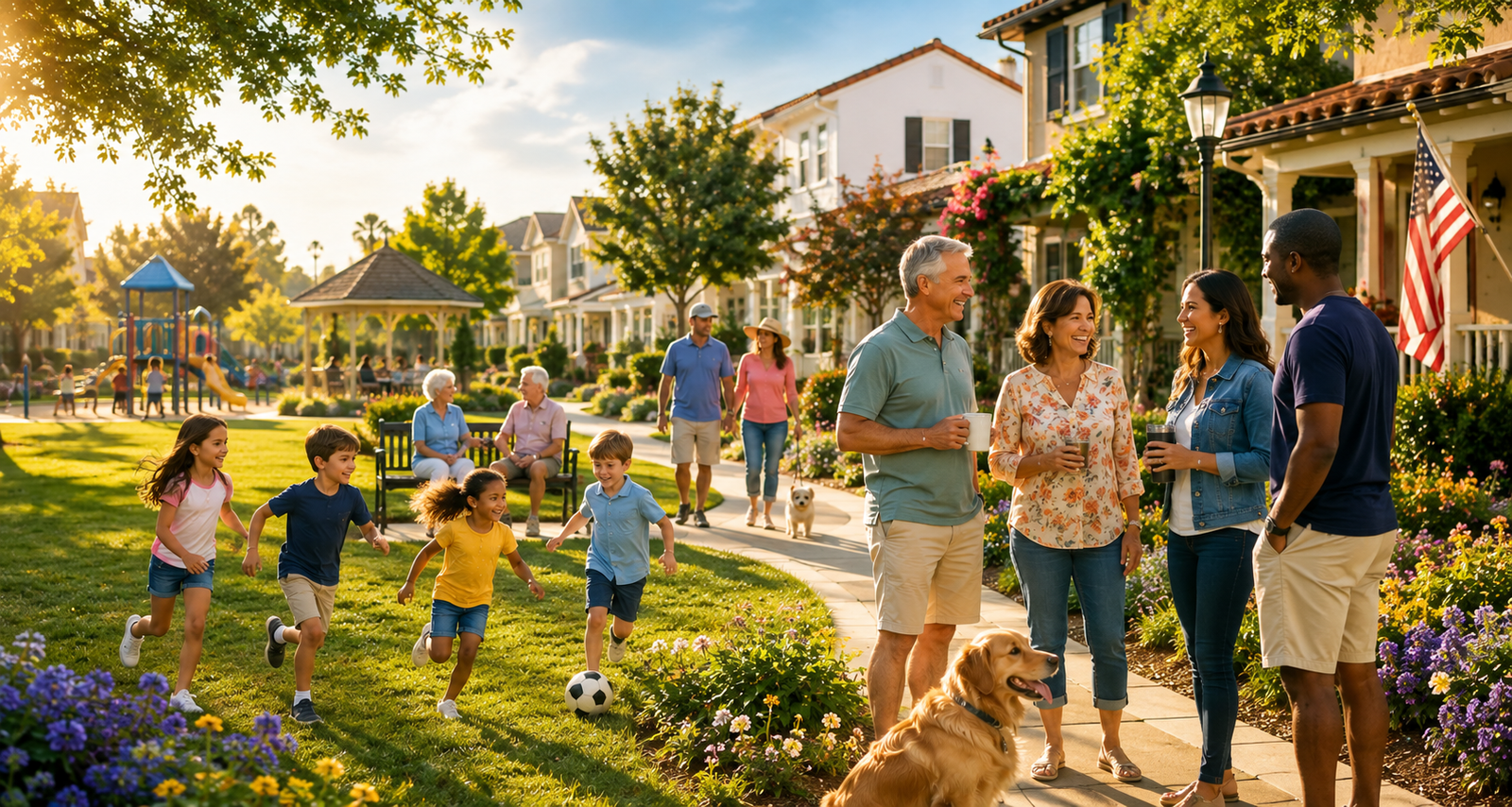
Homeowner participation also changes the relationship between the board and the community. Instead of a small group making nearly every decision while most homeowners remain disconnected, the board gains a much clearer understanding of what the community actually wants.
Decisions become better informed, better understood, and better supported — because they reflect the people who live with them.
How participation should work
PARTICIPATION SHOULD BE INVITED, CONVENIENT, MEANINGFUL, AND RESPECTED
Asking homeowners for their opinions accomplishes little if their responses are routinely ignored. Participation has to be designed to actually matter.
INVITED
Homeowners should be actively asked to participate — not left to figure out on their own how to be heard.
CONVENIENT
Surveys, online feedback, and clear communications make participation possible without meetings or expertise.
MEANINGFUL
Participation should genuinely inform decisions — not simply check a box that input was collected.
RESPECTED
Asking homeowners for their opinions accomplishes little if their responses are routinely ignored.
THE GOAL IS NOT 100% PARTICIPATION IN EVERYTHING
The goal is not 100% participation in everything. The goal is to create enough continuing participation that the HOA’s direction reflects the community rather than only the few people who happen to be most involved.
A community does not need every homeowner at every meeting. It needs enough homeowners staying connected, in their own ways, that the HOA’s decisions genuinely reflect the people who live there.
YOU DON’T HAVE TO RUN THE HOA TO HELP MAKE IT BETTER.
YOU JUST HAVE TO STOP BEING A SPECTATOR.
AND THAT CREATES THE NEXT QUESTION:
CAN A DYSFUNCTIONAL HOA BE FIXED?