Your independent source for
HOA education, resources, and real solutions.
An HOAHelp4U Educational Resource
IS THERE A BETTER WAY TO GOVERN AN HOA?
The traditional HOA model is familiar. Homeowners elect a small board of directors, the board makes most governing decisions, and a management company often handles much of the day-to-day administration.
That structure can work. But it also has an inherent limitation.
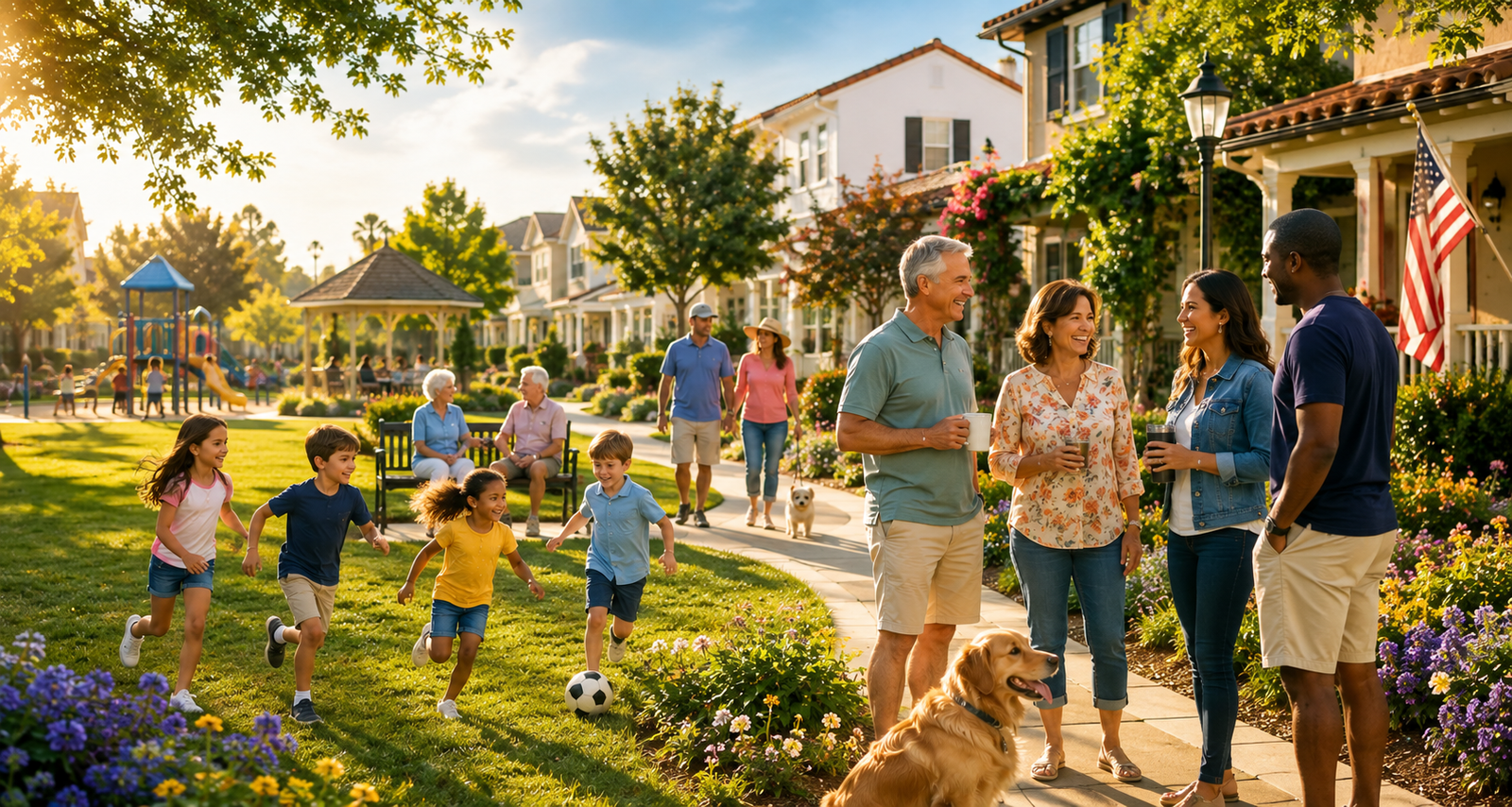
The inherent limitation
A HANDFUL OF VOLUNTEERS, A WHOLE COMMUNITY.
That structure can work, particularly when communication is strong, directors are responsive, finances are well managed, and homeowners have confidence in their leadership.
But it also has an inherent limitation.
A handful of volunteer directors may be expected to communicate with hundreds of homeowners while overseeing finances, contracts, maintenance, vendors, enforcement, reserves, insurance, and other community responsibilities.
As communities become larger and more complex, the distance between homeowners and the people making decisions can grow.
Instead of asking only how we can make the existing system work better, perhaps we should ask a more fundamental question:
CAN WE DESIGN A GOVERNANCE STRUCTURE
THAT CONNECTS HOMEOWNERS MORE DIRECTLY TO THEIR COMMUNITY?
Look at the structure itself
GOVERNANCE IS A DESIGN PROBLEM
When the same problems repeatedly appear — poor communication, low participation, concentrated authority, homeowner frustration, and limited accountability — it may not be enough to change individual policies or elect different people. The structure itself deserves examination.
A better system should:
THE OBJECTIVE IS NOT MORE GOVERNMENT.
IT IS BETTER ORGANIZATION.
One approach is surprisingly simple
DIVIDE THE COMMUNITY INTO FIVE ZONES
Divide the HOA geographically into five approximately equal zones.
Each zone selects a Zone Representative who maintains communication with the homeowners in that part of the community.
Instead of expecting five directors to remain closely connected to hundreds of homeowners, each zone has a direct communication link.
THE ZONE REPRESENTATIVE IS NOT ANOTHER BOARD MEMBER
The representative does not become a new governing authority. The primary purpose is to listen, communicate, participate in committees, and help connect homeowners with the larger community.
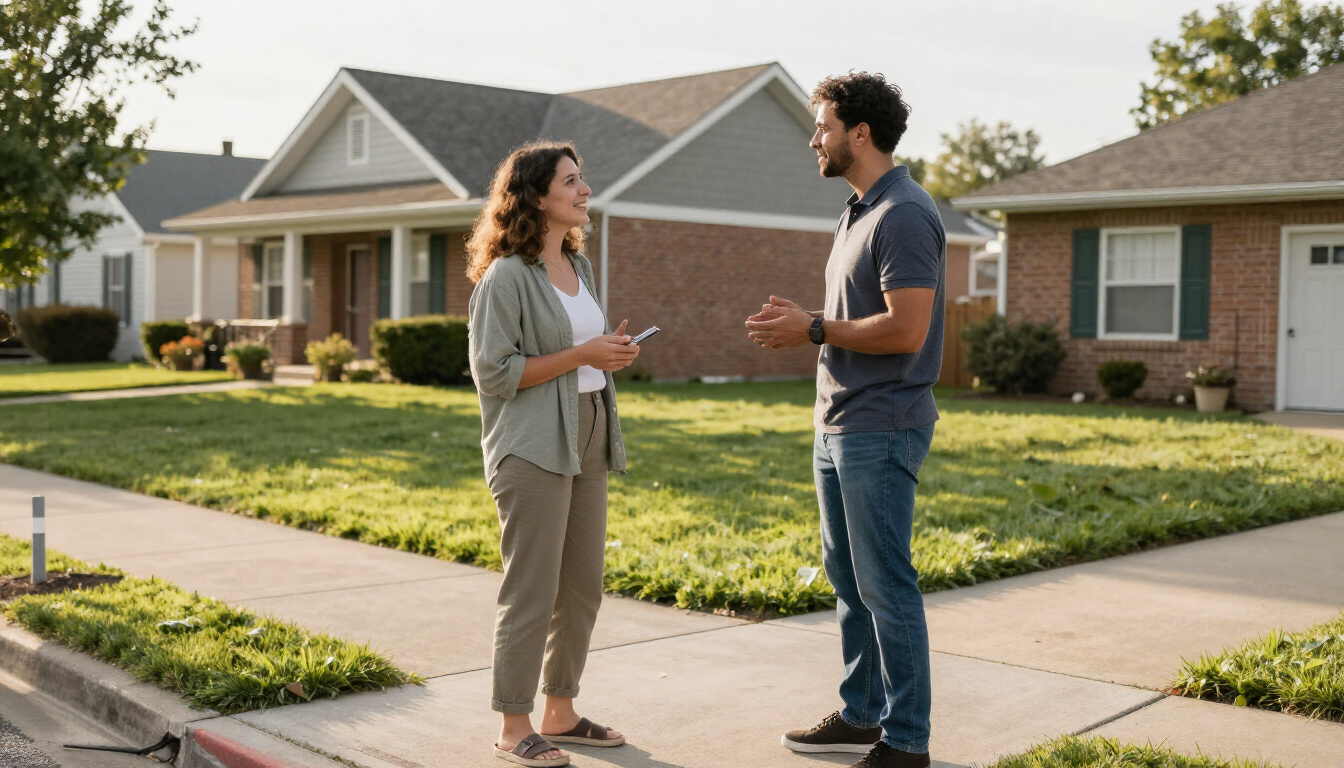
A simple pattern
FIVE ZONES CREATE COMMUNITY-WIDE REPRESENTATION
The same five-zone structure can be used throughout the HOA. When a community committee is needed, it can include one representative from each zone — bringing perspectives from throughout the community rather than drawing primarily from the same small group of homeowners.
Zone 1
Representative
Zone 2
Representative
Zone 3
Representative
Zone 4
Representative
Zone 5
Representative
5 ZONES → 5 REPRESENTATIVES → COMMUNITY-WIDE INPUT
A finance committee, landscaping committee, maintenance committee, communications committee, or other working group can therefore include perspectives from throughout the community. The structure distributes participation without requiring hundreds of homeowners to attend every meeting or become experts in HOA governance.
How it connects
THE FLOW OF PARTICIPATION
- HOMEOWNERS
- 5 ZONES
- ZONE REPRESENTATIVES
- 5-MEMBER COMMITTEES
- COMMUNITY INPUT / DECISIONS
Zone Representatives are part of this communication structure — not additional board members and not a separate governing authority.
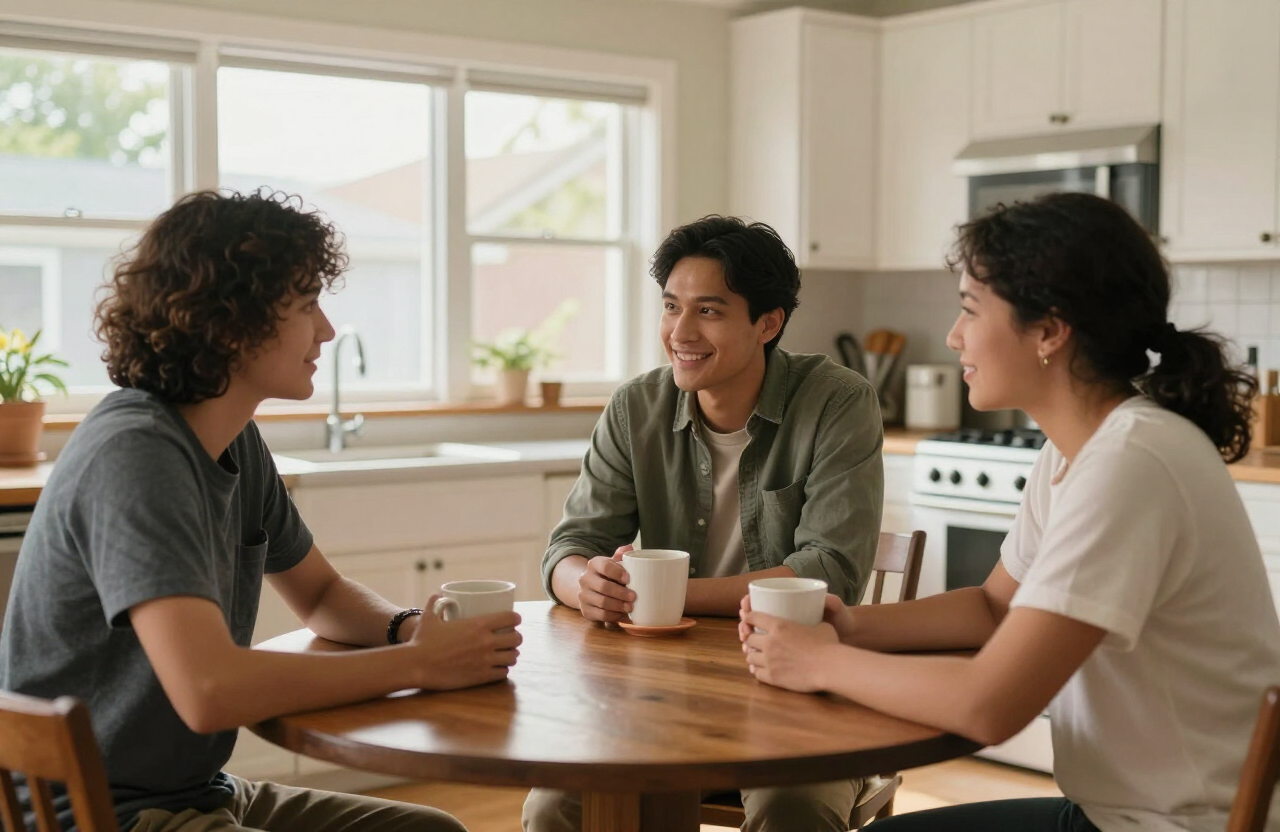
More homeowners can contribute
COMMITTEES DO THE WORK
Much of the detailed work of a well-run organization should not have to occur during a board meeting. Committees can study issues, gather information, evaluate alternatives, review proposals, and develop recommendations.
Standing committees can address recurring responsibilities. Special committees can be activated when necessary to address disputes, evaluate new ideas, or study a particular project.
This allows more homeowners to contribute their experience and knowledge without requiring them to serve on the board.
- Finances
- Maintenance
- Landscaping
- Communications
- Other continuing community needs
Communication becomes two-way
HOMEOWNERS HAVE A VOICE
Representation alone is not enough.
Homeowners need reliable ways to learn what is happening and express their views. A redesigned governance system can use newsletters, a community website, surveys, zone communication, meetings, and other modern tools to create a continuous flow of information.
The important change is that communication becomes two-way. The association does not simply tell homeowners what has already been decided. Homeowners have opportunities to understand issues and provide meaningful input before important community decisions are finalized.
Governance and administration remain distinct
PROFESSIONAL MANAGEMENT STILL HAS AN IMPORTANT ROLE
Redesigning governance does not mean eliminating professional management. Quite the opposite.
A professional manager can provide administrative continuity, maintain records, coordinate vendors, support committees, prepare reports, assist with finances, and help carry out community decisions.
But governance and administration should remain distinct.
HOMEOWNERS PROVIDE DIRECTION.
THE GOVERNANCE STRUCTURE ORGANIZES PARTICIPATION.
PROFESSIONAL MANAGEMENT SUPPORTS OPERATIONS.
Each has a role.
Easier, not more burdensome
PARTICIPATION WITHOUT MAKING HOA LIFE A FULL-TIME JOB
A common objection to homeowner-centered governance is that most homeowners do not want to spend their lives attending HOA meetings. They shouldn’t have to.
A better system makes participation easier, not more burdensome. A homeowner might answer an occasional survey, communicate with a Zone Representative, serve temporarily on a committee, contribute expertise to one project, submit an idea, or simply remain informed.
Different homeowners can participate at different levels and at different times.
THE OBJECTIVE IS NOT 100% PARTICIPATION IN EVERYTHING.
IT IS A STRUCTURE IN WHICH PARTICIPATION IS ALWAYS AVAILABLE AND MEANINGFUL.
The direction of the system
FROM BOARD-CENTRIC TO HOMEOWNER-CENTERED
The most important change is not the number of zones or committees. It is the direction of the governance system.
In a board-centric HOA, information and authority tend to flow toward a small governing group. In a homeowner-centered HOA, communication and participation flow throughout the community while the legal governing structure continues to perform its required responsibilities.
The HOA does not disappear. The board does not disappear. Professional management does not disappear. Instead, the community develops an additional structure that connects homeowners, committees, management, and leadership.
Board-Centric HOA
Information and authority flow toward a small governing group.
Homeowner-Centered HOA
Communication and participation flow throughout the community.
Why structure matters
A DIFFERENT WAY TO THINK ABOUT HOA GOVERNANCE
The 5-Zone concept does not depend upon finding perfect board members or convincing every homeowner to become highly involved.
It assumes that participation will vary, homeowners will have different interests, and leadership will change over time. That is precisely why structure matters.
A well-designed HOA should make communication easier, distribute participation, preserve accountability, use professional management effectively, and give homeowners a meaningful connection to decisions affecting their community.
That is the purpose of the 5-Zone HOA Redesign.
DON’T BUILD A SYSTEM THAT DEPENDS ON PERFECT PEOPLE.
BUILD A SYSTEM THAT HELPS ORDINARY PEOPLE SUCCEED.
BUT IF THERE’S A BETTER SYSTEM, WHY ISN’T EVERYONE USING IT?
Designing a better governance structure is only part of the challenge. Existing HOAs already have boards, established procedures, governing documents, professional relationships, election systems, and long-standing ways of doing things. Changing those systems can be difficult.
That leads directly to the next question:
WHY DOES HOA REFORM NEVER HAPPEN?