Your independent source for
HOA education, resources, and real solutions.
An HOAHelp4U Educational Resource
WHAT ARE THE BENEFITS OF BETTER GOVERNANCE?
Better HOA governance is not simply about changing an organizational chart or creating more committees. The real test is whether the changes make the HOA work better for the homeowners who live there.
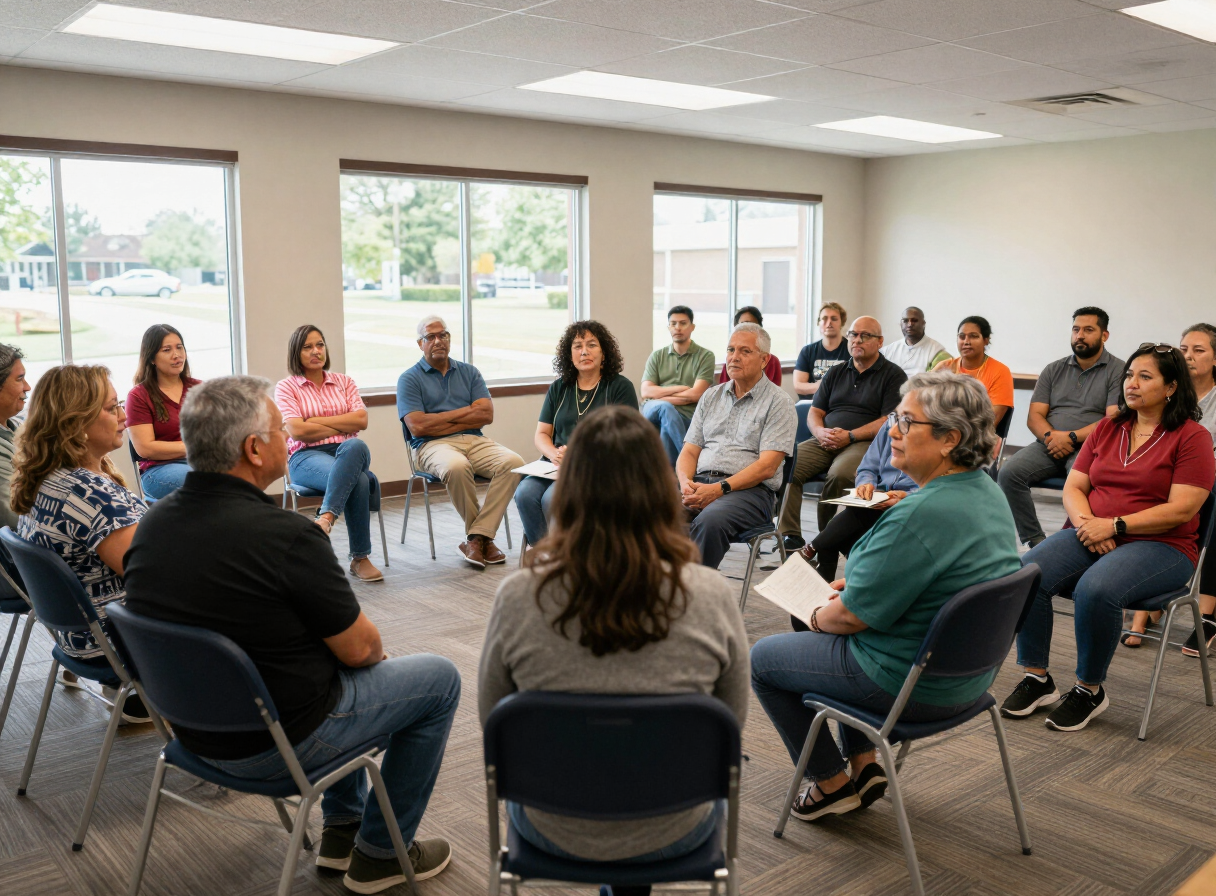
Start with the central question
THE REAL TEST IS WHETHER IT WORKS BETTER FOR HOMEOWNERS
Better HOA governance is not simply about changing an organizational chart or creating more committees. Those may be part of the answer, but they are not the goal itself.
The real test is whether the changes make the HOA work better for the homeowners who live there. A homeowner-centered governance system can produce practical benefits throughout the community.
BETTER GOVERNANCE IS NOT AN END IN ITSELF —
IT IS A WAY TO MAKE THE COMMUNITY WORK BETTER.
THE PRACTICAL BENEFITS OF BETTER GOVERNANCE
A homeowner-centered governance system can produce practical benefits throughout the community — from how information flows to how decisions are made to how the community itself feels.
BETTER COMMUNICATION
Homeowners should know what is happening in their community and have convenient ways to provide input. Regular communication through email, newsletters, websites, meetings, surveys, and homeowner representatives reduces uncertainty and helps prevent misunderstandings.
BETTER REPRESENTATION
A board meeting may hear from only a handful of homeowners. A better governance structure creates ways to hear from a much broader cross-section of the community. Surveys, committees, and neighborhood or zone representatives can help the board understand what homeowners actually think.
MORE MEANINGFUL PARTICIPATION
Participation should not require homeowners to run for the board or attend every meeting. Homeowners can answer surveys, volunteer for projects, serve on committees, communicate with neighbors, offer expertise, or participate when an issue matters to them.
BETTER DECISIONS
Boards make better decisions when they have better information. Homeowner input, committee research, competitive bids, financial information, professional advice, and clearly identified community priorities can improve the quality of board decisions.
GREATER ACCOUNTABILITY
When priorities, responsibilities, decisions, expenditures, and progress are communicated clearly, homeowners can better understand what their HOA is doing and why.
EARLIER IDENTIFICATION OF PROBLEMS
Good communication and participation can identify maintenance, financial, management, and community concerns before they become major problems. Preventing problems is usually easier and less expensive than correcting them after years of neglect.
A STRONGER BOARD
Homeowner-centered governance is not anti-board. It can actually make board service easier and more effective. Directors gain more information, more assistance, broader homeowner input, and a clearer understanding of community priorities.
MORE EFFECTIVE MANAGEMENT
Management works better when responsibilities and priorities are clearly defined. Management should support the governance system rather than become the governance system.
CONTINUITY
An HOA should not dramatically change direction every time new directors are elected. A strong governance structure creates systems for communication, participation, planning, and accountability that continue regardless of who happens to be serving on the board.
A STRONGER SENSE OF COMMUNITY
Perhaps the greatest benefit is cultural. Homeowners begin to see themselves not simply as people who pay assessments and follow rules, but as participants in a shared community.
THE OBJECTIVE IS NOT 100% PARTICIPATION IN EVERYTHING
The objective is not 100% homeowner participation in everything. Homeowners have different schedules, interests, abilities, and levels of involvement.
A pro-homeowner community gives everyone a meaningful opportunity to participate without requiring everyone to participate all the time. Some neighbors will serve on committees. Others will simply read a newsletter, answer a survey, or speak up when an issue matters to them. All of it counts.
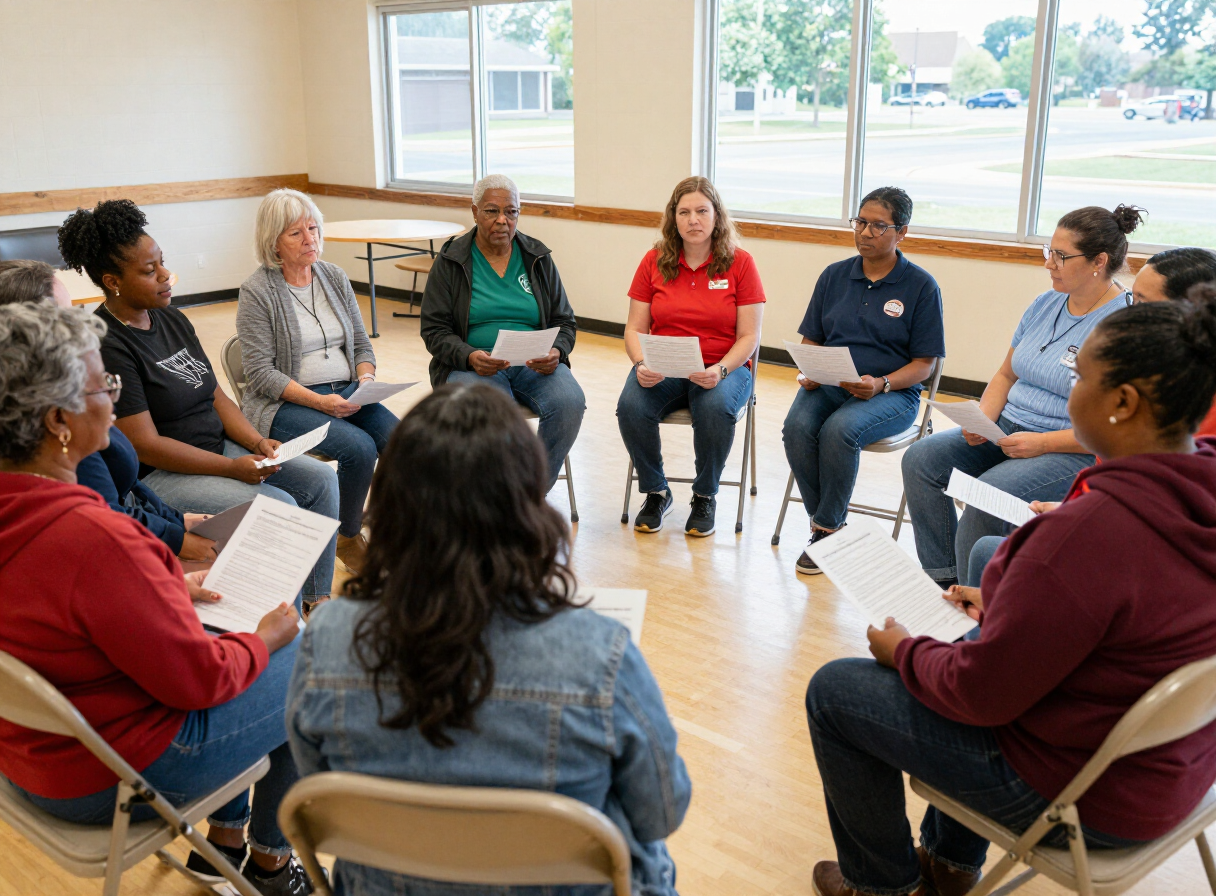
OVER TIME, THE RELATIONSHIP CAN CHANGE
When governance genuinely connects homeowners to their community, the old dynamic can give way to something healthier.
From
BOARDvs.HOMEOWNERS
Two sides working against each other, with management caught in between.
To
BOARDHOMEOWNERSMANAGEMENT
= COMMUNITY
The same people, working together as one community.
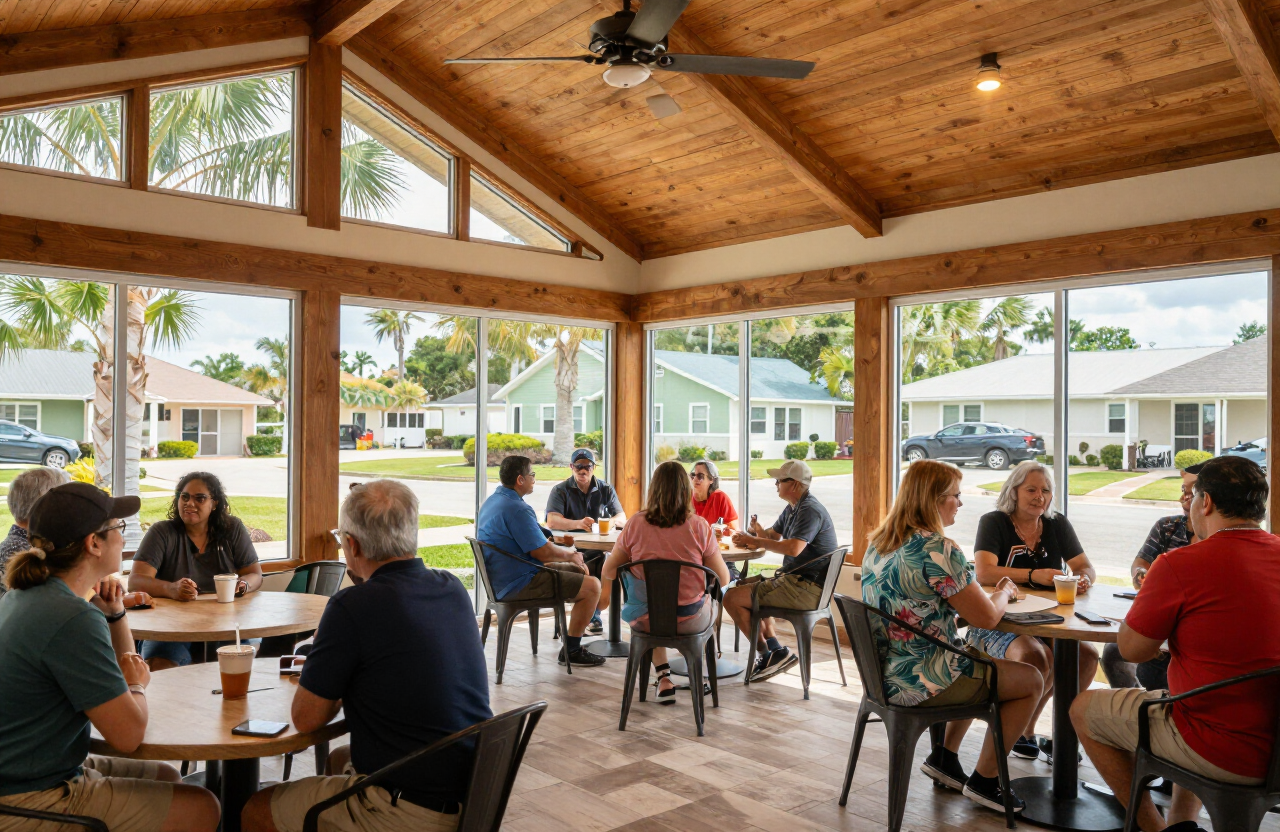
A STRUCTURE THAT OUTLASTS ANY SINGLE BOARD
One of the most important benefits is continuity. An HOA should not dramatically change direction every time new directors are elected.
A strong governance structure creates systems for communication, participation, planning, and accountability that continue regardless of who happens to be serving on the board. The community becomes more than the people in office at any given moment.
PERHAPS THE GREATEST BENEFIT IS CULTURAL
Perhaps the greatest benefit of better governance is cultural. Homeowners begin to see themselves not simply as people who pay assessments and follow rules, but as participants in a shared community.
That shift — from spectator to participant — is what turns a collection of houses into a community. Better governance creates the conditions where that shift can happen.
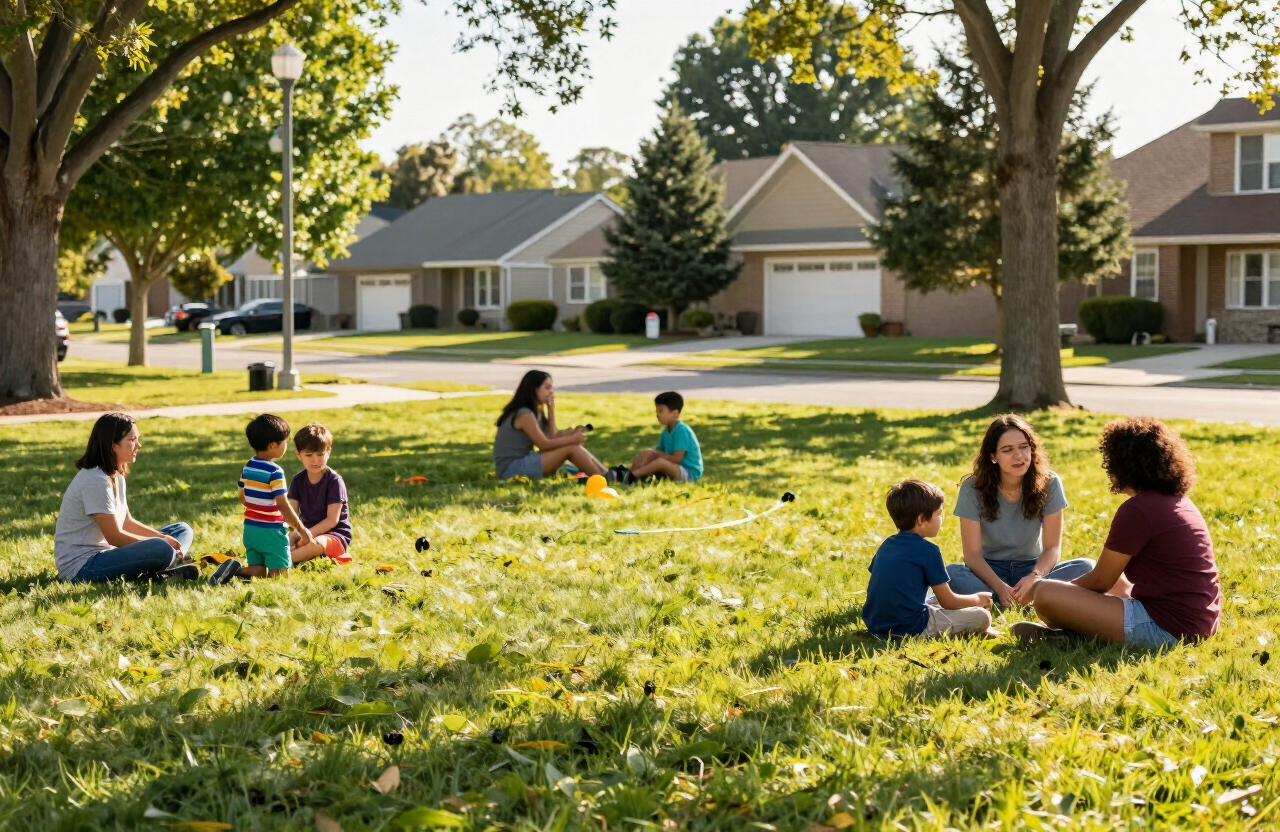
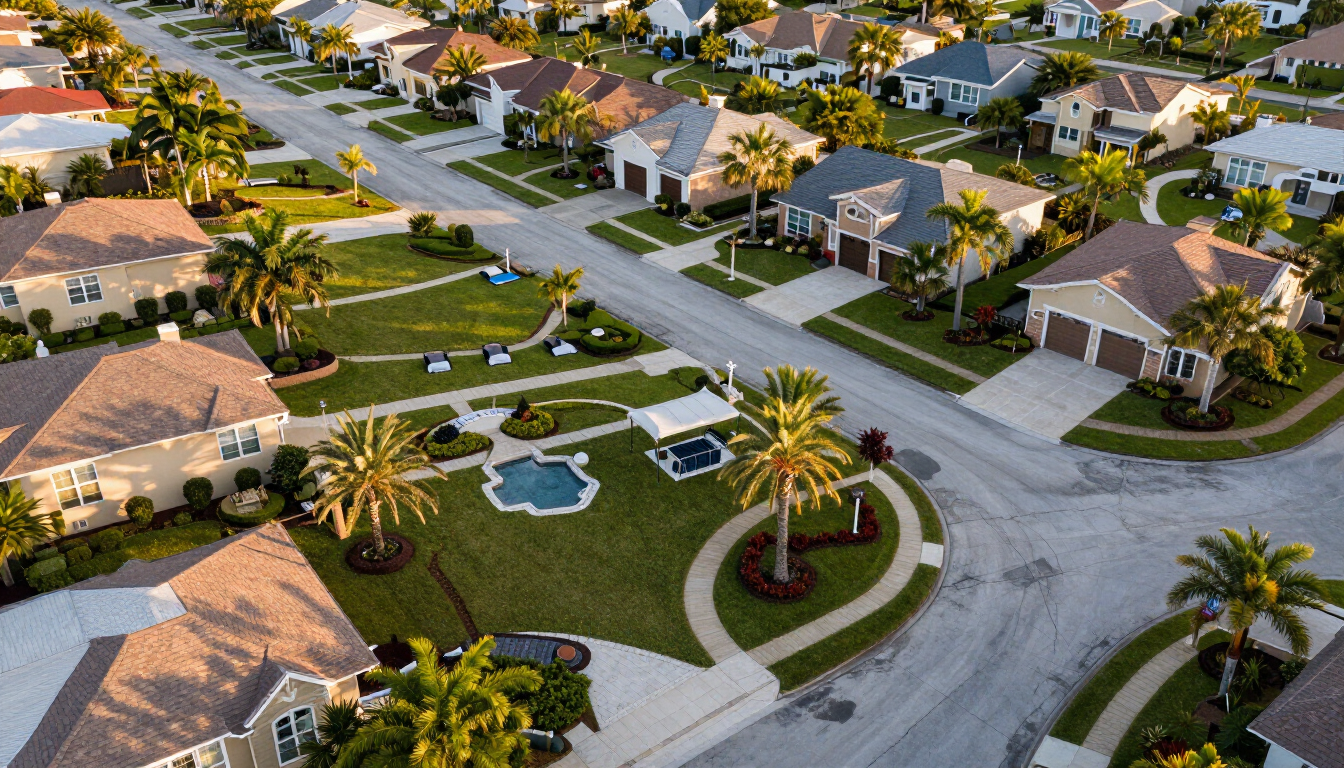
THE REAL BENEFIT OF BETTER GOVERNANCE
ISN’T SIMPLY A BETTER BOARD.
IT’S A BETTER COMMUNITY.
AND THAT LEADS TO THE FINAL QUESTION:
WHERE DO I GO FROM HERE?