Your independent source for
HOA education, resources, and real solutions.
An HOAHelp4U Educational Resource
WHY AREN’T HOAs RUN LIKE BUSINESSES?
Most people don’t think of their homeowner association as a business. They think of it as a neighborhood organization that collects assessments, maintains common areas, enforces rules, and holds occasional meetings.
But look at what an HOA actually does.
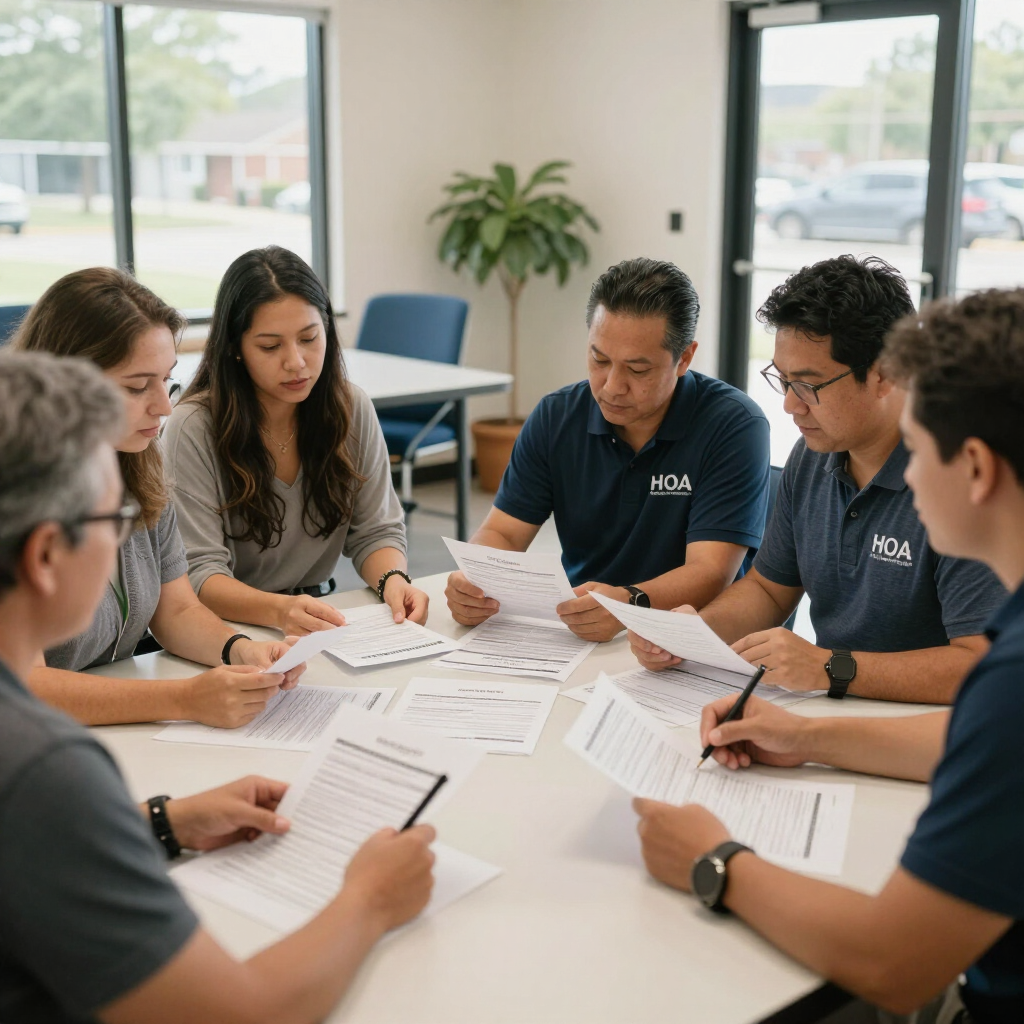
More than a neighborhood organization
AN HOA DOES MANY OF THE THINGS A BUSINESS DOES.
It collects mandatory revenue. It prepares budgets. It manages bank accounts and reserve funds. It maintains valuable physical assets. It purchases insurance. It hires contractors and professional services. It enters into contracts. It makes long-term financial commitments. And its decisions can affect both the quality of the community and the value of homeowners’ property.
Those are substantial organizational responsibilities.
IN PRACTICAL TERMS, AN HOA PERFORMS
MANY OF THE FUNCTIONS OF A BUSINESS.
Yet the structure used to govern it can be very different from the structure we would expect in a well-run business or other complex organization.
Resources that belong to the homeowners
SIGNIFICANT MONEY AND ASSETS
Even a relatively modest HOA may collect hundreds of thousands of dollars from homeowners over time.
Larger associations can manage annual budgets, reserve funds, contracts, infrastructure, buildings, recreational facilities, landscaping systems, roads, lighting, and other assets worth millions of dollars.
Those resources belong collectively to the homeowners. Managing them requires more than paying bills. It requires budgeting, financial controls, long-term planning, documentation, oversight, and accountability.
Poor decisions made today can become expensive problems years later.

Selecting a vendor is only the beginning
CONTRACTS AND VENDORS
HOAs commonly contract with management companies, landscapers, maintenance companies, insurance providers, security companies, accountants, attorneys, reserve specialists, and other professionals.
Selecting a vendor is only the beginning.
A well-managed organization should define what it expects, compare alternatives, understand contract terms, monitor performance, document results, and determine whether the organization is receiving appropriate value for the money being spent.
When those systems are weak, contracts can continue because “that’s who we’ve always used” rather than because performance has been objectively evaluated.
They build systems
HOW WELL-RUN ORGANIZATIONS USUALLY OPERATE
Complex organizations generally do not depend solely upon the knowledge or personality of whoever happens to be in charge. They build systems. Those systems commonly include:
The purpose of these systems is continuity. Leadership can change without forcing the organization to reinvent itself every time someone new takes office.
Volunteer directors
THE HOA DIFFERENCE
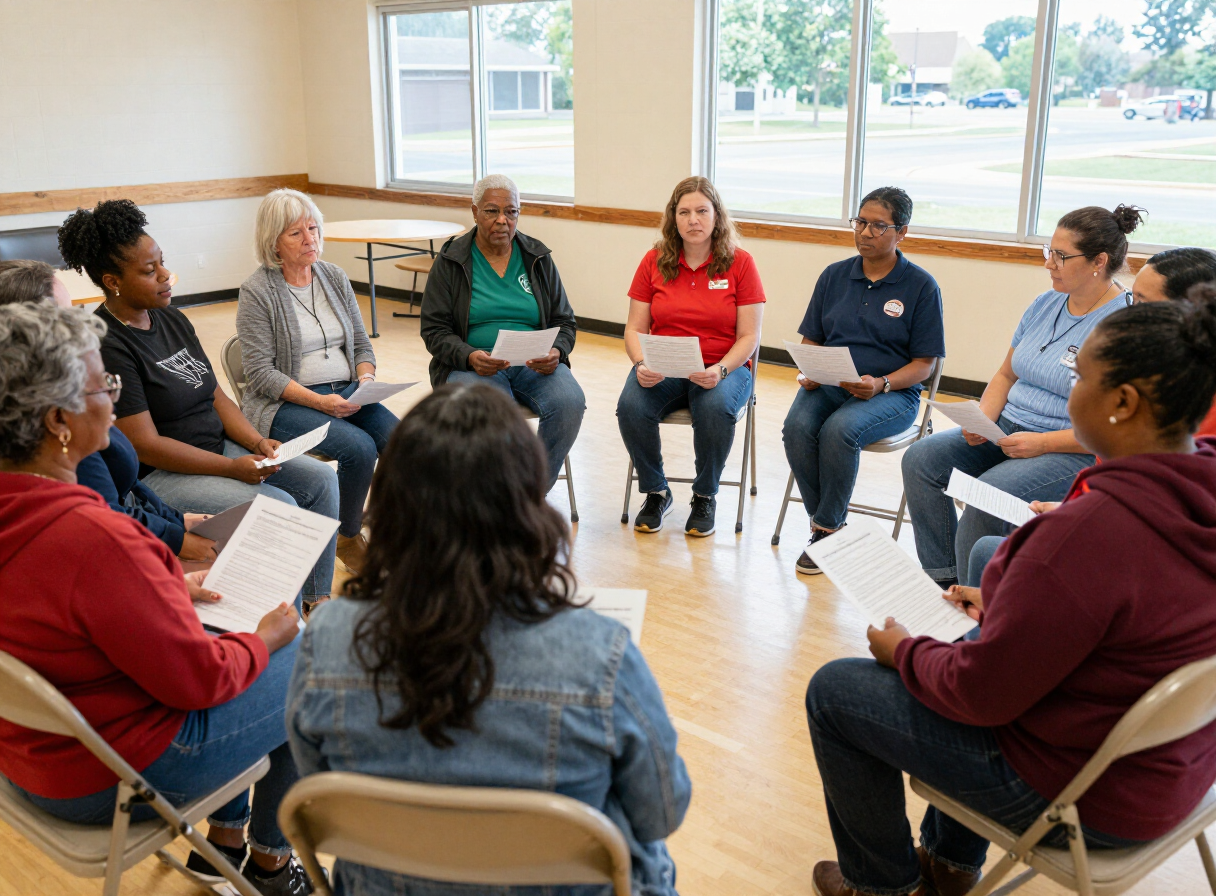
HOA boards are usually composed of volunteer homeowners.
A homeowner may be elected to the board and almost immediately become responsible for decisions involving budgets, reserves, contracts, maintenance, insurance, enforcement, vendors, and legal obligations.
That director may be highly capable and sincerely interested in serving the community. But willingness to volunteer does not automatically provide experience in finance, contracting, infrastructure, management, procurement, insurance, law, or organizational governance.
In many HOAs, directors effectively learn while governing.
BUSINESS-LIKE RESPONSIBILITIES
WITHOUT A CONSISTENT BUSINESS-LIKE OPERATING STRUCTURE.
Management does not replace governance
WHY PROFESSIONAL MANAGEMENT DOESN’T COMPLETELY SOLVE THE PROBLEM
Many HOAs hire professional management companies, and professional management can provide important expertise, continuity, administration, and operational support.
But management does not replace governance.
The board still establishes policy, approves budgets, authorizes major expenditures, enters into contracts, and remains responsible for the direction of the association.
Attorneys, accountants, reserve specialists, engineers, and other professionals can also provide valuable specialized knowledge. But outside professionals advise or provide services. They do not eliminate the need for a sound internal governance structure.
Organizations need to remember what they have learned
INSTITUTIONAL MEMORY MATTERS
Businesses recognize another important principle: organizations need to remember what they have learned.
HOA boards change.
Experienced directors leave. New directors arrive. Prior decisions may be poorly documented. The reasoning behind policies can disappear. Vendor histories may be forgotten. Long-term projects can lose continuity.
Without established procedures and good records, every new board may have to rediscover information the association should already know.
A well-designed organization should survive changes in leadership without losing its operating knowledge.

Safeguards, not suspicion
FINANCIAL CONTROLS MATTER
Homeowners should not have to depend solely upon trust when substantial community funds are involved. Sound organizations establish safeguards.
Budgets should be understandable. Expenditures should be documented. Bank accounts should be reconciled. Reserve funds should be monitored. Major contracts should receive appropriate scrutiny. Financial statements should be reviewed. Independent audits or reviews should be used when appropriate.
These practices do not assume wrongdoing.
GOOD FINANCIAL CONTROLS PROTECT EVERYONE —
INCLUDING THE PEOPLE MANAGING THE MONEY.
They recognize a fundamental principle of responsible management.
Matching structure to responsibility
THIS ISN’T ABOUT TURNING YOUR NEIGHBORHOOD INTO A CORPORATION
Running an HOA more like a well-managed organization does not mean eliminating volunteers, removing the sense of community, or turning the neighborhood into a corporate bureaucracy.
It means matching the structure of the organization to the responsibilities it already has.
HOMEOWNERS CAN STILL ELECT THEIR LEADERS.
VOLUNTEER DIRECTORS CAN STILL LEAD.
Professional managers can administer operations. But responsibilities should be clearly defined, procedures should be established, finances should be transparent, vendors should be accountable, and institutional knowledge should survive changes in leadership.
A balanced comparison
THE STRUCTURAL MISMATCH
The fundamental issue is straightforward. An HOA may manage substantial money, valuable assets, complex contracts, long-term maintenance obligations, professional services, and legal responsibilities — yet its organizational structure may depend heavily upon a small group of volunteer homeowners with varying experience and limited time.
- Clear roles
- Procedures
- Professional administration
- Financial controls
- Accountability
- Continuity
- Volunteer leadership
- Complex responsibilities
- Limited time
- Varying experience
- Changing boards
- Dependence on outside expertise
This comparison is educational. Many HOAs are managed carefully and responsibly. The point is not that every HOA is poorly managed — it is that the structure can make consistent good management harder to sustain.

HOAs ALREADY HAVE BUSINESS-LIKE RESPONSIBILITIES.
THE QUESTION IS WHETHER THEIR GOVERNANCE SYSTEM
IS DESIGNED TO HANDLE THEM.
Recognizing this mismatch changes the question.
Instead of simply asking whether we need better board members, better managers, or more laws, we can ask something more fundamental:
Is there a better way to govern an HOA?
That is the question we explore next.