Your independent source for
HOA education, resources, and real solutions.
An HOAHelp4U Educational Resource
CAN A DYSFUNCTIONAL HOA BE FIXED?
Even a seriously dysfunctional HOA can often be improved. But the first step is not a repair — it is understanding why it is dysfunctional.
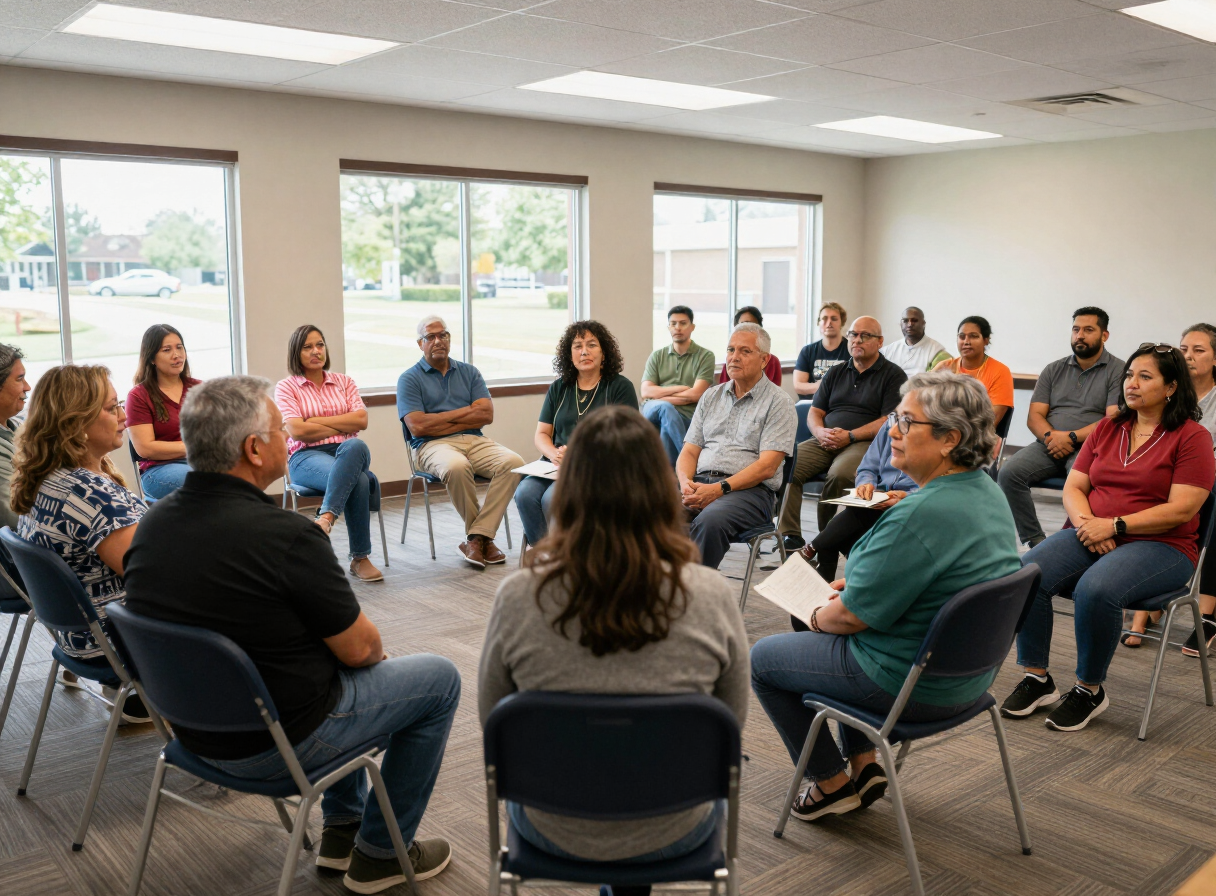
Start with the central reality
THE FIRST STEP IS UNDERSTANDING WHY IT IS DYSFUNCTIONAL
A dysfunctional HOA can feel overwhelming. The problems may have built up over years, and the people involved may be frustrated, divided, or exhausted.
But even a seriously dysfunctional HOA can often be improved. The key is to resist the urge to start fixing things immediately. Before any repair, the community first needs to understand what is actually broken and why.
A DYSFUNCTIONAL HOA CAN OFTEN BE IMPROVED —
BUT FIRST YOU HAVE TO UNDERSTAND WHY.
DYSFUNCTION CAN HAVE MANY CAUSES
HOA dysfunction is rarely a single problem. It may involve one or several of the following — and the combination is different in every community.
POOR COMMUNICATION
Homeowners are left uninformed about decisions, budgets, and priorities.
HOMEOWNER APATHY
Too few homeowners stay connected, so direction reflects only the most involved few.
WEAK FINANCIAL CONTROLS
Money is collected and spent without clear oversight or accountability.
INADEQUATE RESERVES
Long-term repair and replacement costs are not planned or funded.
NEGLECTED MAINTENANCE
Common areas and shared assets deteriorate from deferred upkeep.
INEFFECTIVE MANAGEMENT
The management company or process does not serve the community well.
LACK OF TRANSPARENCY
Records, contracts, and decisions are difficult for homeowners to see.
POORLY DEFINED RESPONSIBILITIES
No one is sure who is accountable for what between board and management.
BOARD CONFLICT
Directors disagree so often that the board cannot function effectively.
HOMEOWNER CONFLICT
Ongoing disputes among neighbors drain energy from the community.
ENTRENCHED LEADERSHIP
The same people hold power for years without meaningful accountability.
YEARS OF DEFERRED PROBLEMS
Small issues compound over time into larger, harder-to-solve problems.
Because the causes differ from one community to another,
there is no single repair that works for every HOA.
THE FIRST STEP IS AN OBJECTIVE ASSESSMENT
Before deciding what to fix, the community should take an honest, objective look at itself. The goal is to understand the real condition of the HOA — not to assign blame, but to see clearly.
Determine what is working, what is not working, what homeowners think, what condition the HOA’s finances and common areas are in, how effectively the board and management operate, and how much meaningful homeowner participation currently exists.

WHAT IS WORKING
Identify the parts of the HOA that already function well and should be preserved.
WHAT IS NOT WORKING
Pinpoint the specific areas where the HOA is falling short or failing.
WHAT HOMEOWNERS THINK
Survey the community to learn what residents actually experience and want.
FINANCIAL CONDITION
Review budgets, reserves, controls, and spending for soundness and transparency.
CONDITION OF COMMON AREAS
Inspect shared assets and maintenance to understand their real state.
BOARD & MANAGEMENT EFFECTIVENESS
Evaluate how well the board and management company operate together.
HOMEOWNER PARTICIPATION
Measure how much meaningful, continuing homeowner participation currently exists.
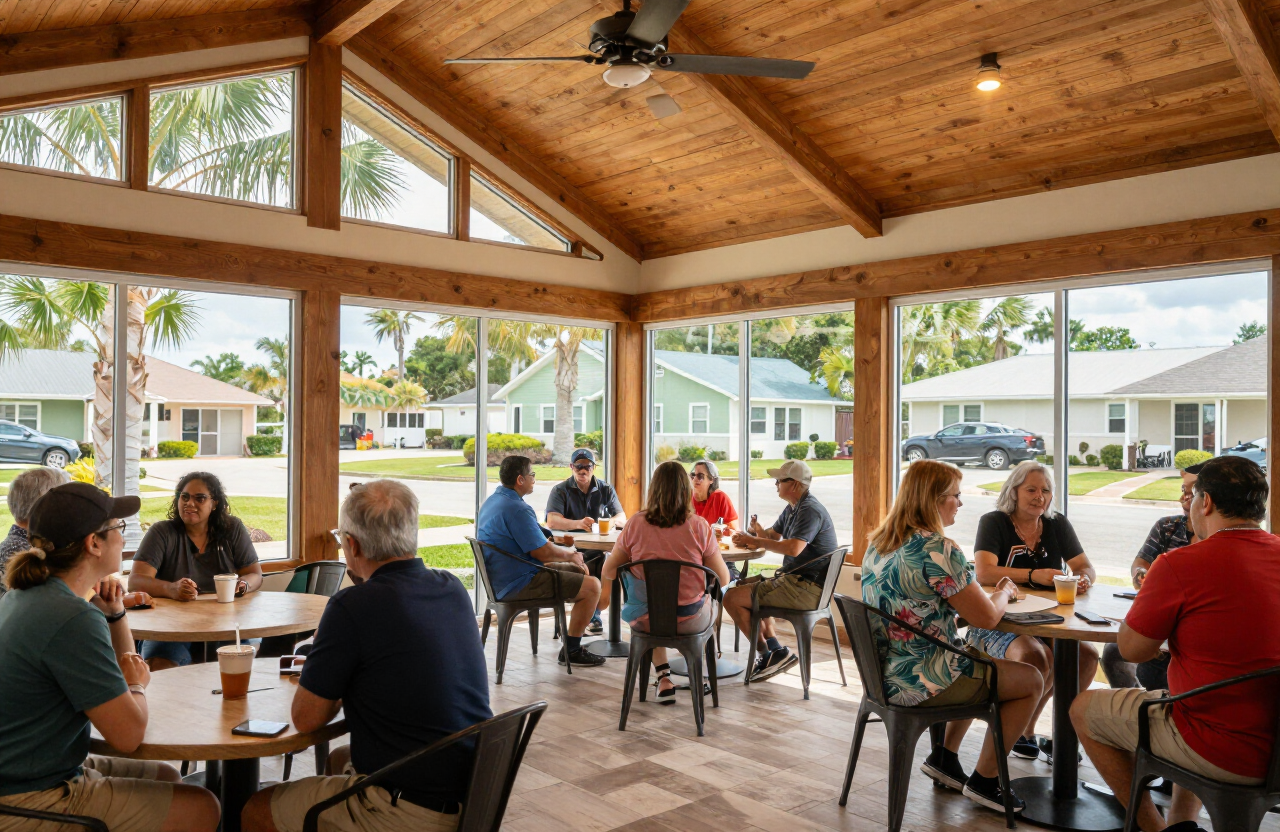
FROM THERE, PRIORITIES CAN BE ESTABLISHED
Once the community understands its real condition, it can decide what to address first. Different communities will need different things.
Some may need better communication first. Others may need stronger financial oversight, improved reserve planning, competitive bidding, better maintenance procedures, more transparency, active committees, greater homeowner participation, or changes in management.
BETTER COMMUNICATION
Establish reliable ways to inform homeowners and gather their input.
STRONGER FINANCIAL OVERSIGHT
Put clear controls and reporting in place over the HOA's money.
IMPROVED RESERVE PLANNING
Fund long-term repair and replacement needs before they become crises.
COMPETITIVE BIDDING
Require transparent bidding on contracts so the community gets fair value.
BETTER MAINTENANCE PROCEDURES
Create clear processes for upkeep so common areas are reliably maintained.
MORE TRANSPARENCY
Make records, contracts, and decisions accessible to homeowners.
ACTIVE COMMITTEES
Form committees that do real work on the issues homeowners care about.
GREATER HOMEOWNER PARTICIPATION
Invite convenient, meaningful ways for homeowners to stay connected.
CHANGES IN MANAGEMENT
When needed, bring in management that better serves the community.
IN MORE SERIOUS SITUATIONS, THE GOVERNANCE STRUCTURE ITSELF MAY NEED TO CHANGE
In more serious situations, the problem is not a single issue but the way the HOA is structured. Better communication or new management will not be enough if the governance system itself keeps producing the same dysfunction.
In those cases, the governance structure itself may need to change — so that homeowners have a continuing voice, the board has reliable information, and decisions reflect the community rather than a few people.
AVOID TRYING TO FIX EVERYTHING SIMULTANEOUSLY
Homeowners should avoid trying to fix everything at once. Years of dysfunction are rarely corrected with one election, one new director, one lawsuit, one new management company, or one new rule.
Each of those may be part of a solution. But on their own, single actions almost never undo problems that took years to build.
YEARS OF DYSFUNCTION ARE RARELY CORRECTED
WITH A SINGLE ACTION.
DEVELOP A PRACTICAL IMPROVEMENT PLAN
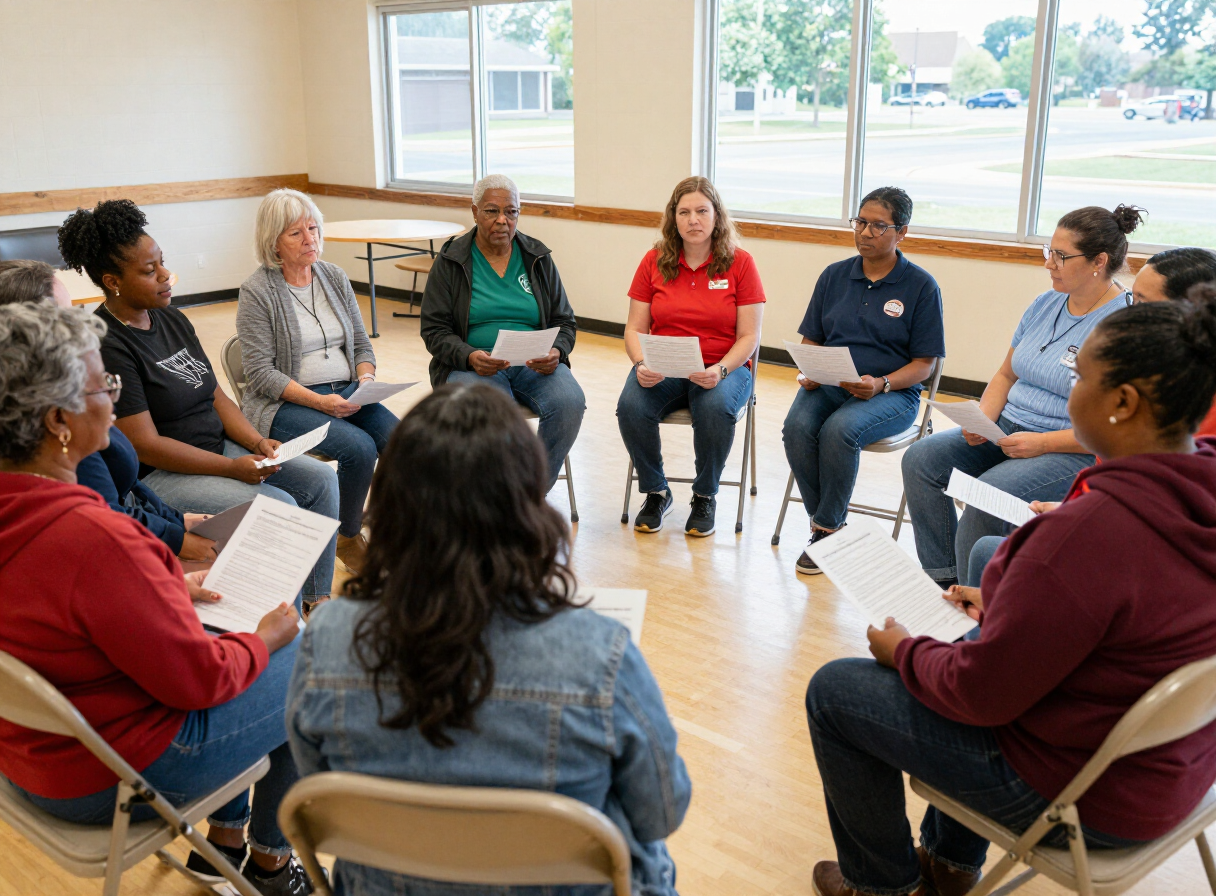
Instead of trying to fix everything at once, develop a practical improvement plan. Work the problem in an organized way rather than reacting to each crisis as it arrives.
Establish priorities, assign responsibilities, set measurable goals, and monitor progress. A plan turns frustration into steady, visible improvement.
ESTABLISH PRIORITIES
Decide which problems matter most and should be addressed first.
ASSIGN RESPONSIBILITIES
Make clear who is accountable for each priority — board, management, or committee.
SET MEASURABLE GOALS
Define what success looks like so progress can actually be evaluated.
MONITOR PROGRESS
Review results regularly and adjust the plan as conditions change.
THE PURPOSE OF EVALUATING PAST PROBLEMS IS TO DECIDE WHAT CHANGES GOING FORWARD
Fixing a dysfunctional HOA is not simply about identifying everything that has gone wrong. A long list of past failures, on its own, does not improve anything.
The purpose of evaluating past problems is to determine what needs to change going forward. The assessment looks backward so the plan can move forward.
THE ULTIMATE OBJECTIVE IS A SYSTEM THAT WORKS GOING FORWARD
The ultimate objective is to move the HOA away from recurring conflict and crisis management — and toward a system that works going forward.
A healthier HOA is one in which problems are identified early, homeowners have a meaningful voice, the board has reliable information, management has clear responsibilities, and progress can be measured.
PROBLEMS IDENTIFIED EARLY
Issues are spotted and addressed before they become crises.
HOMEOWNERS HAVE A VOICE
Residents have a meaningful, continuing say in their community.
BOARD HAS RELIABLE INFORMATION
Decisions are based on accurate, timely information.
MANAGEMENT HAS CLEAR RESPONSIBILITIES
Everyone knows what management is accountable for.
PROGRESS CAN BE MEASURED
The community can see whether things are actually improving.
LESS CRISIS MANAGEMENT
The HOA operates steadily instead of lurching from crisis to crisis.
A DYSFUNCTIONAL HOA CAN BE FIXED —
BUT FIRST YOU HAVE TO UNDERSTAND WHAT IS BROKEN,
THEN FIX IT ONE STEP AT A TIME.
AND THAT CREATES THE NEXT QUESTION:
WHAT ARE THE BENEFITS OF BETTER GOVERNANCE?