Your independent source for
HOA education, resources, and real solutions.
An HOAHelp4U Educational Resource
WHAT IF THE BOARD REFUSES TO CHANGE?
What can homeowners do when a board repeatedly ignores concerns, rejects reasonable suggestions, resists greater homeowner involvement, or simply refuses to change the way the HOA operates?
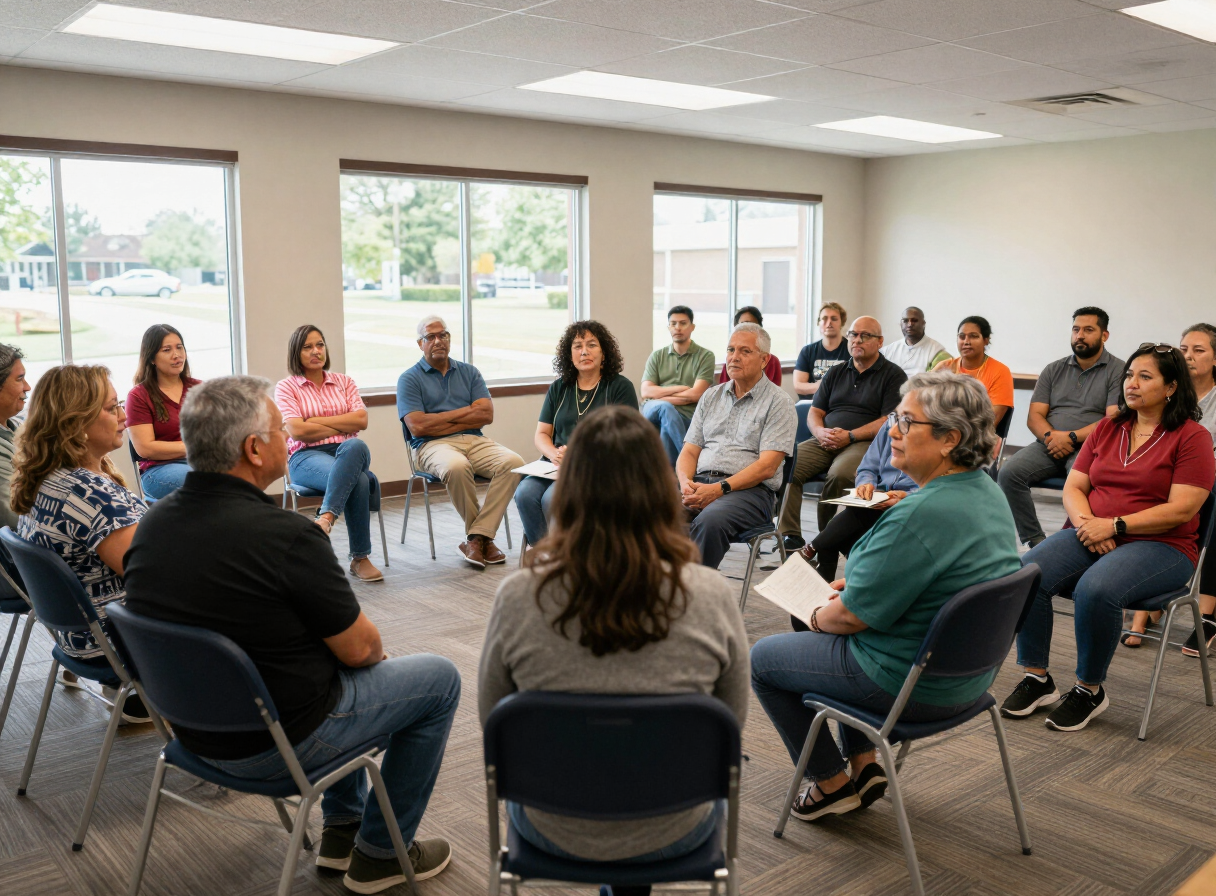
Start with an important distinction
DISAGREEMENT IS NOT THE SAME AS DYSFUNCTION
Disagreement with a board decision does not necessarily mean the board should be replaced. Boards must make difficult decisions, and homeowners will not always agree with them.
The real concern is a pattern of resistance — a board that consistently shuts homeowners out, refuses reasonable efforts to improve governance, discourages participation, or protects the existing board-centered system regardless of homeowner concerns.
A SINGLE DECISION YOU DISLIKE
IS NOT THE SAME AS A PATTERN OF RESISTANCE.
TRY CONSTRUCTIVE APPROACHES FIRST
Homeowners should first try constructive approaches. Give the board a reasonable opportunity to respond before considering anything more.
Document the problems. Communicate clearly. Determine whether other homeowners share your concerns. Request specific changes. Encourage participation. Attend meetings. Use the records and governing documents the association already provides.

DOCUMENT THE PROBLEMS
Keep a clear, factual record of the concerns, the responses, and the pattern over time.
COMMUNICATE CLEARLY
Raise concerns in writing, at meetings, and through the association’s established channels.
FIND SHARED CONCERNS
Determine whether other homeowners see the same problems and share the same goals.
REQUEST SPECIFIC CHANGES
Ask for concrete, reasonable improvements rather than general complaints.
ENCOURAGE PARTICIPATION
Invite neighbors to attend meetings, join committees, and become involved.
USE YOUR GOVERNING DOCUMENTS
Rely on the records, bylaws, and procedures the association already has in place.

A BOARD THAT WILL NOT CHANGE
MAY EVENTUALLY HAVE TO BE CHANGED.
REPLACING A BOARD IS NOT JUST REMOVING DIRECTORS
Replacing an entrenched board is not simply about removing individual directors.
If homeowners remove a board without developing homeowner participation and identifying qualified replacement candidates, they may simply exchange one board-centered board for another.
A new board drawn from the same limited pool, operating under the same expectations, will often govern the same way — no matter how dissatisfied homeowners were with the last one.
REMOVE A BOARD WITHOUT A PLAN
AND YOU MAY JUST REPLACE ONE BOARD-CENTERED BOARD WITH ANOTHER.
THE STRONGER APPROACH: ORGANIZE FIRST
The stronger approach is to organize first. Build the homeowner participation and direction the community needs before changing the board.
Then, if necessary, use the HOA’s legitimate election, recall, petition, and voting procedures to change the board — with a clear plan already in place.
- Build communication among homeowners
- Determine what the community wants
- Develop participation
- Identify homeowners willing to serve
- Establish clear expectations for a replacement board
- Use legitimate election, recall, petition, and voting procedures

THE OBJECTIVE IS A BETTER BOARD
The objective is not revenge, confrontation, or taking control for its own sake.
The objective is to create a board that views homeowners as the people it represents and actively includes them in the governance of their community.
IF THE BOARD WON’T CHANGE,
HOMEOWNERS MAY HAVE TO CHANGE THE BOARD —
BUT THEY SHOULD BE PREPARED TO REPLACE IT WITH SOMETHING BETTER.
AND THAT CREATES THE NEXT QUESTION:
HOW CAN BETTER GOVERNANCE BE PUT IN PLACE?